


Silica Bricks
Why Choose Us
QC
In the production, Kerui adhere to the use of sophisticated equipment and technology, respectively, to ensure the precision of powder ratio, improve the strength and refractories of refractory products, reduce the rate of defective products, to ensure the stability and reliability of product quality.
Excellent technical team
Kerui has a complete pre-sale technical team and standardized customer service consultation process to provide customers with the design, production, construction and maintenance of the overall furnace refractory, and help customers quickly select the appropriate furnace construction and maintenance plan.
Construction technical support
In order to give full play to the performance of refractory materials and effectively improve the service life of the kiln, a good construction scheme and execution is very important.Kerui has its own five construction teams, covering the construction and maintenance of more than 100 commonly used refractory materials for kilns in steel, non-ferrous metal smelting, petrochemical, building materials and other industries.
After-sales service!
In addition to the product quality guarantee period, our company still undertake the after-sales service obligations, and provide you with the corresponding products, seriously for you to solve the problem (the corresponding fee is charged at cost).
What is Silica Bricks
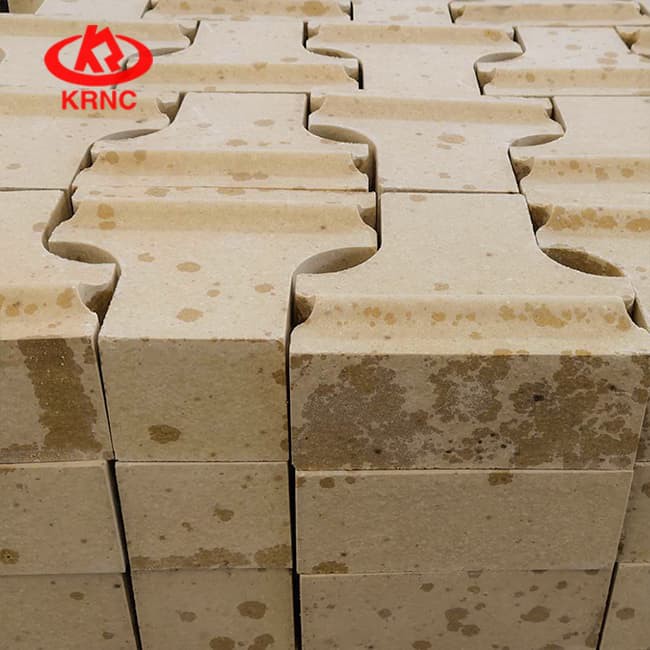
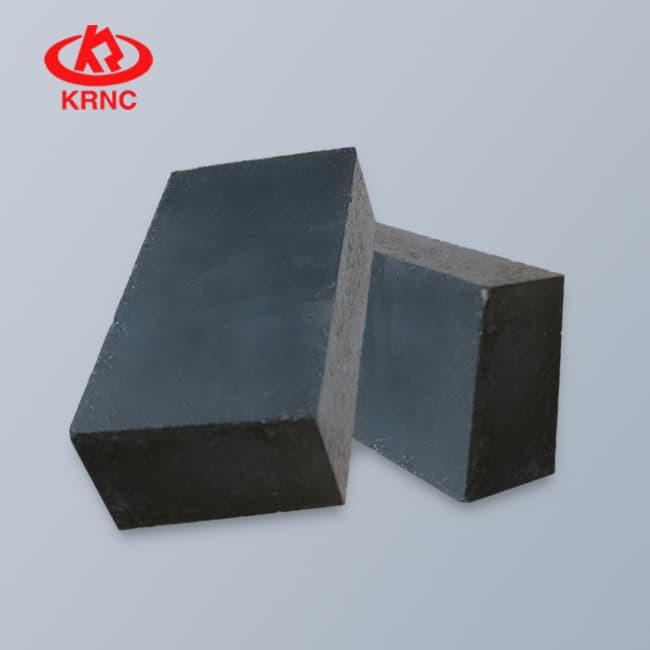
Silica Bricks are made of quartz stone material, the content of SiO2 is more than 96%.Silica brick belong to acid refractory brick,have the excellent ability to resist acid slag and acid solution erosion.Silica brick have good high temperature strength, high refractoriness under load about 1640-1680℃, high softening point with temperature. What's more, Silica bricks are also featured with good heat conduction and the refractoriness is 1690~1730°C. It is an ideal high-temperature furnace construction material.


Benefits of Silica Bricks


Durability
Silica Bricks last significantly longer than standard building materials like concrete or mortar because they do not experience the same level of wear and tear. These bricks are not affected by extreme temperature changes and can easily withstand the heat generated by furnaces and boilers, preventing damage due to cracking or crumbling.
Fire Protection
Silica Bricks provide an excellent flame-retardant barrier that can help protect against fire damage in homes, businesses, and industrial buildings. The materials can also help reduce smoke damage during fires and decrease toxic fumes during metal melting.
Energy Efficiency
Silica Bricks help absorb and retain heat more efficiently than other materials. This improved heat retention results in lower energy consumption, making them highly sought after in commercial operations such as brick ovens, bakeries, and glassmaking foundries. The use of Silica Bricks also helps save money on fuel costs.
Cost Effective
Silica Bricks are cost-effective for small-scale projects such as barbecues or fireplaces and large-scale projects such as industrial furnaces. These materials require less maintenance over time and cost significantly less than steel or reinforced concrete when making repairs or building new structures.
Types of Silica Bricks
Silica Brick for Coke Oven
Silica bricks for coke are mainly composed of tridymite, which are mainly used to construct regenerator walls, chutes, combustion chambers, carbonization chambers and coke oven roofs. Modern coke ovens are large-scale thermal equipment built with tens of thousands of tons and nearly a thousand types of brick-type refractories, of which silica bricks account for 60% to 70%. Silica bricks for coke ovens mainly have the characteristics of high load softening temperature, high thermal conductivity, good thermal shock resistance, and good volume stability at high temperatures.
Silica Brick for Glass Kilns
Because silica brick has the characteristics of chemical resistance, low bulk density, no pollution to glass, stable volume at high temperature, and prevents the furnace body from changing due to temperature fluctuations, it has become an important high-temperature component for the construction of glass tank kilns.
Iron and Steel Industry
Blast Furnaces: Silica bricks are extensively used in the lining of blast furnaces. The high temperatures and corrosive nature of the slag in blast furnaces necessitate the use of materials that can withstand severe conditions. Silica bricks provide excellent resistance to these conditions, ensuring the longevity of the furnace lining.Electric Arc Furnaces: In electric arc furnaces, silica bricks are employed to line the furnace roof and walls. Their thermal shock resistance and ability to withstand high temperatures make them ideal for this application.
Glass Industry
Glass Melting Furnaces: Silica bricks are used in the linings of glass melting furnaces. The bricks' resistance to the corrosive nature of molten glass and their ability to withstand high temperatures are crucial for maintaining furnace efficiency and prolonging service life.
Ceramic Industry
Kilns: In the ceramic industry, silica refractory bricks are used to line kilns, where they help in achieving the necessary high temperatures for firing ceramics. Their ability to handle thermal stress and high temperatures ensures the production of high-quality ceramic products.
Non-Ferrous Metallurgy
Copper and Aluminum Smelting: Silica bricks are used in the linings of smelting furnaces for non-ferrous metals like copper and aluminum. The bricks' resistance to slag and metal attacks is essential in these processes.
Cement Industry
Rotary Kilns: In cement production, silica bricks are employed in the linings of rotary kilns. Their ability to endure the high temperatures and corrosive environments found in these kilns is vital for efficient cement production.
Petrochemical Industry
Reforming Furnaces: Silica refractory bricks are used in reforming furnaces within the petrochemical industry. Their ability to resist the harsh conditions and high temperatures encountered in these processes is crucial for operational efficiency.

High Temperature Resistance
Silica bricks can withstand temperatures up to 1700°C (3092°F), making them suitable for use in furnaces, kilns, and other high-heat environments.
Thermal Shock Resistance
Due to their glass-like structure, silica bricks can endure rapid temperature changes without cracking or breaking.
Chemical Stability
Silica bricks are resistant to most acids and alkalis, making them suitable for use in chemical processing and other corrosive environments.
Low Thermal Conductivity
Silica bricks have a low thermal conductivity, which means they do not transfer heat easily. This property helps to insulate and protect the surrounding structures from high temperatures.
Durability
Silica refractory bricks are known for their long service life and resistance to wear and tear.
How to Choose Silica Bricks
Application Requirements
Determine the specific requirements of your application, including temperature, chemical environment, and mechanical stress. Silica refractory bricks are commonly used in industries such as glass, ceramics, and metallurgy, where they come into contact with high temperatures and acidic or neutral environments. Ensure that the bricks you choose have the necessary resistance to thermal shock, chemical attack, and mechanical abrasion for your specific application.
Silica Content
Silica refractory bricks are primarily composed of silica (SiO2), which provides excellent thermal insulation and resistance to acidic environments. The silica content can vary the silica refractory brick properties, and higher silica content generally offers better resistance to acid corrosion. Consider the chemical composition of your application and choose the appropriate silica content accordingly.
Brick Shape and Size
Determine the required shape and size of the silica refractory bricks based on your application and furnace design. Silica bricks are available in various shapes, including standard bricks, arch bricks, and special shapes. The size and shape of the bricks should be compatible with the refractory lining design and installation method to ensure proper fit and performance.
Thermal Conductivity
Consider the desired thermal conductivity of the silica bricks. Silica refractory bricks have relatively low thermal conductivity, which makes them suitable for insulation purposes. However, if heat transfer is important for your application, you may need to consider other refractory materials or select silica and high alumina firebricks with specific additives to enhance thermal conductivity.
Supplier Reputation
Choose a reputable supplier with a proven track record of manufacturing and supplying high-quality silica refractory bricks. Look for suppliers who have expertise in refractory materials and can provide technical support and guidance in selecting the right bricks for your application. Consider factors such as product quality, on-time delivery, and customer reviews when choosing a supplier.
Cost-effectiveness
Evaluate the cost-effectiveness of the silica refractory bricks. While it's important to consider the price, it's equally important to assess the overall value and performance of the bricks. Balance the initial cost with factors such as durability, longevity, and performance to make an informed decision.
Process of Silica Bricks
Determination of raw material ratio and particle composition
The raw materials for producing silica bricks mainly include quartz stone, waste silica bricks, lime, mineralizers and organic binders. Adding waste silica bricks can reduce the firing expansion of bricks, but it will also reduce the refractoriness and strength of products. Therefore, it should be determined according to different situations. The principle is that the larger the unit weight of the product, the more complex the shape, and the more the amount added, generally it should be controlled within 20%. Lime is added to the raw material in the form of lime milk, which acts as a binder, increases strength after drying, and acts as a mineralizer during firing. The mineralizer used in production is mainly rolled steel oxide scale. The commonly used organic binder is sulfurous acid pulp waste liquor.
Determination of firing system
Silica bricks undergo a phase change during firing, making firing more difficult. Therefore, comprehensive consideration should be given to the physical and chemical changes of the brick during firing, the shape and size of the green body, and the characteristics of the kiln.
① In the temperature range below 600°C, the temperature should be raised quickly and evenly.
②In the temperature range of 700-1100 ℃, the heating rate can be evenly accelerated compared with the previous one.
③In the temperature range of 1100-1430°C, the heating rate should be gradually reduced.
④ In the high-temperature stage, use a weak reducing flame to fire, and at the same time make the temperature distribution in the kiln uniform, and avoid the impact of the flame on the adobe. After reaching the highest firing temperature. There must be enough heat preservation time, which generally fluctuates within the range of 20-48h.
⑤ It can be cooled rapidly above 600°C, and it should be cooled slowly at low temperatures. Table 10-4 lists the heating rate in different temperature ranges.
Cement ratio and dilute the appropriate thick. Specific detection method is easy to spread the cement shop into the brick, and can not flow. Too thick is not easy to spread too thin, is easy to flow; Two is in a brick on the fire clay, pressure on another brick slightly strong kneading, and then lift up the brick body, the brick below belt, that the proper proportion of cement.
The front of refractory brick to be close to the cylinder. Between the brick and the cylinder body cannot pad fireclay and other debris. In the pool of fireclay brick, in front stretcher rectangular to leave 1-2 cm position does not stand in the cement, upward pressure brick, end close to the cylinder pressure to the fireclay, knead move, make cement covered the face brick, a small amount of excess cement extruded from the bricks and the small end of the big two, brick end matter stick cylinder. Brick joints cannot be greater than 1.5mm. Check brick facet, row not up, wrapping phenomenon.
The top tight top bar. In half of the circumference of the masonry, with top carry to brick top tight, rotary kiln bricks on the other half of the week, when the top bar must be the top tight. Some cube material should be laid between brick and the top bar, to avoid damage of refractory brick. Method to check whether the roof top bar tension is, when the top bar with the rotation of the cylinder to check the cylinder top brick not flagging lock position, if the sagging phenomenon, in the kiln and kiln refractory during the relative displacement caused by mechanical damage to the refractory brick.
Kerui Refractory has now become one of the powerful refractory enterprises in the research, development, production and sales of refractory products, and its product uses cover the use of refractory materials for high-temperature kilns and equipment in metallurgy, chemical industry, building materials, electric power, military industry, non-ferrous metals, carbon industry and other industries. Kerui Refractory produces 150000 tons of sintered products and 100000 tons of unshaped refractory materials annually. The company has four plants, namely heavy bricks, light bricks, unshaped bricks and fused bricks.


Certificates


