

Hey there! As a supplier of acid proof bricks, I often get asked about the properties of these bricks, and one question that pops up quite a bit is, "Do acid proof bricks have a low thermal expansion coefficient?" Well, let's dive right into it and find out.
First off, let's understand what a thermal expansion coefficient is. In simple terms, it's a measure of how much a material expands or contracts when its temperature changes. A low thermal expansion coefficient means that the material doesn't change its size very much when it gets hot or cold. This is super important in many industrial applications, especially those where temperature fluctuations are common.
Acid proof bricks are designed to resist the corrosive effects of acids. They're used in a variety of industries, such as chemical processing, food and beverage, and even in some parts of the power generation sector. These bricks are typically made from materials like clay, silica, and other refractory substances that can withstand harsh chemical environments.
Now, back to the question at hand. Do acid proof bricks have a low thermal expansion coefficient? The answer is, it depends. Not all acid proof bricks are created equal, and their thermal expansion coefficients can vary depending on the specific composition and manufacturing process.
In general, many high - quality acid proof bricks do have relatively low thermal expansion coefficients. This is because the materials used in their production, like certain types of clay and refractory minerals, have inherent properties that limit their expansion when heated. For example, some acid proof bricks made with a high percentage of silica tend to have lower thermal expansion. Silica has a relatively stable structure at high temperatures, which helps keep the brick's dimensions in check.
Let's take a look at some of the other types of bricks in the refractory family. There are Refractory Anchoring Bricks, which are used to anchor refractory linings in place. These bricks also need to have good thermal stability, and often, they are engineered to have low thermal expansion coefficients to prevent cracking and failure due to temperature changes.
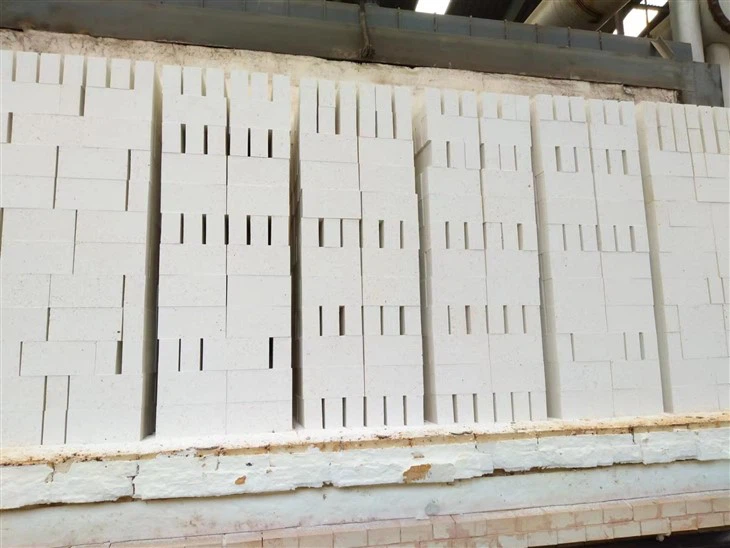

Another type is the Andalusite Brick. Andalusite is a mineral that has excellent refractory properties, including a relatively low thermal expansion. When used in acid proof bricks, andalusite can contribute to a lower overall thermal expansion coefficient, making the bricks more reliable in high - temperature and corrosive environments.
High Alumina Refractory Bricks are also worth mentioning. These bricks contain a high percentage of alumina, which gives them good strength and resistance to heat. Depending on the grade of alumina and other additives, they can have varying thermal expansion coefficients. Some high alumina acid proof bricks are formulated to have low expansion, making them suitable for applications where thermal stability is crucial.
So, why is a low thermal expansion coefficient so important for acid proof bricks? Well, in industrial settings where these bricks are used, temperature changes can be quite extreme. For instance, in a chemical reactor, the temperature might fluctuate from room temperature to several hundred degrees Celsius during the reaction process. If the acid proof bricks have a high thermal expansion coefficient, they can expand and contract significantly, leading to cracks and gaps in the lining. These cracks can allow corrosive acids to seep through, damaging the underlying structures and reducing the lifespan of the equipment.
On the other hand, bricks with a low thermal expansion coefficient can better withstand these temperature changes without cracking. This means a more durable lining, less maintenance, and ultimately, cost savings for the end - user.
As a supplier of acid proof bricks, I always make sure to provide my customers with detailed information about the thermal expansion coefficients of the bricks I offer. I work closely with manufacturers to ensure that the bricks meet the highest quality standards and have the right properties for the specific applications.
When choosing acid proof bricks, it's essential to consider the thermal environment in which they will be used. If the temperature fluctuations are severe, then opting for bricks with a low thermal expansion coefficient is a no - brainer. But it's not the only factor to consider. You also need to think about the chemical resistance, strength, and porosity of the bricks.
In conclusion, while not all acid proof bricks have a low thermal expansion coefficient, many high - quality ones do. Understanding the importance of this property and choosing the right bricks for your application can make a big difference in the performance and longevity of your equipment.
If you're in the market for acid proof bricks and want to learn more about their thermal expansion coefficients or other properties, I'd love to have a chat with you. We can discuss your specific needs and find the perfect solution for your project. Don't hesitate to reach out for a friendly and professional consultation.
References
- ASTM International standards on refractory materials
- "Handbook of Refractory Materials" by various industry experts


