

As a supplier of acid proof bricks, I often get asked a wide range of questions from customers. One question that's been popping up more frequently lately is whether acid proof bricks are affected by ultraviolet (UV) rays. Today, I'm diving deep into this topic to give you all the insights you need.
First off, let's understand what acid proof bricks are. These bricks are specifically designed to withstand highly acidic environments. They're made from materials that have excellent resistance to chemical corrosion, like silica, clay, and other special additives. You'll typically find them in places such as chemical factories, waste treatment plants, and laboratories where they're constantly exposed to acids.
Now, onto the main question: Are acid proof bricks affected by UV rays? Well, the short answer is that in most cases, the direct impact of UV rays on acid proof bricks is minimal. The primary function of acid proof bricks is to resist chemical attacks, and their composition isn't very reactive to the UV spectrum.
UV rays are a form of electromagnetic radiation from the sun. They can cause damage to many materials over time, like fading colors, breaking down polymers, and causing embrittlement. But acid proof bricks are made of inorganic materials. Silica, for example, is a very stable compound that doesn't easily react with UV light. The clay used in the manufacturing process also has good stability under normal UV exposure.
However, it's not entirely a non - issue. Even though the bricks themselves are resistant to UV rays, the environment in which they're installed can play a role. If the acid proof bricks are part of a structure that's exposed to both UV rays and other harsh conditions, there could be some indirect effects.

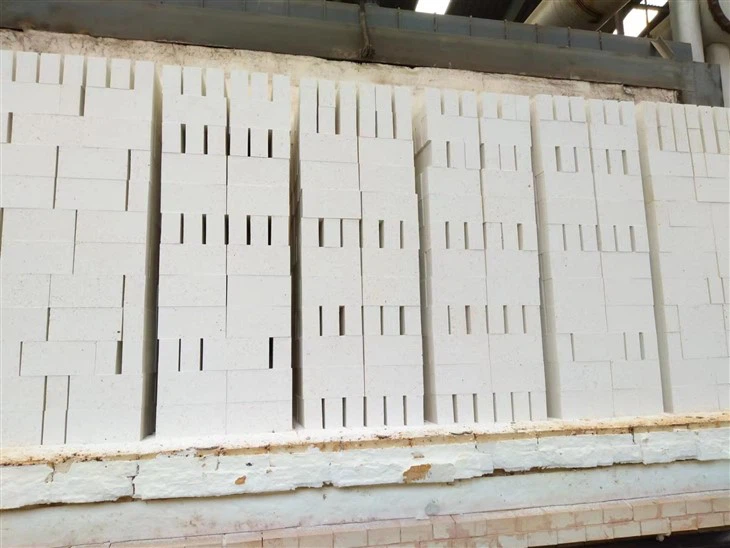
For instance, in outdoor chemical storage areas, the bricks may be exposed to UV rays along with extreme temperature variations. UV rays can heat up the surface of the bricks during the day. When the temperature drops at night, the expansion and contraction caused by these temperature changes can lead to stress on the bricks over time. This stress can potentially cause small cracks to form, which might then allow acids to penetrate more easily, reducing the overall acid - resistant performance of the bricks.
Another factor is the presence of any protective coatings on the acid proof bricks. Some brick installations may have a coating to enhance their resistance to certain chemicals or for aesthetic purposes. These coatings can be more vulnerable to UV damage. If the coating degrades due to UV exposure, it may no longer provide the intended protection, leaving the bricks more susceptible to chemical attacks.
Let's talk a bit about the different types of bricks we offer and how they might behave under UV exposure. Alongside our acid proof bricks, we also supply a variety of other refractory bricks, like the Refractory Runner Brick. These bricks are used in foundries and have their own set of requirements. While they're mainly designed for high - temperature resistance, the same principles about UV exposure apply. Their inorganic materials make them relatively stable under normal UV conditions, but environmental factors can still have an impact.
The Refractory Anchoring Bricks are another type in our product line. These are used to anchor refractory linings in place. They're made to be strong and durable, and while UV rays aren't their main enemy, the combination of UV and other environmental factors could potentially affect their long - term performance.
And then there's the Andalusite Brick. Andalusite is a mineral that gives these bricks excellent thermal shock resistance. Similar to the other bricks, they are generally resistant to UV rays, but the surrounding environment can influence their condition.
So, what can you do to protect your acid proof bricks from any potential UV - related issues? If you're installing the bricks outdoors, consider using a UV - resistant coating that's also compatible with the acid - resistant properties of the bricks. This can provide an extra layer of protection against the sun's harmful rays. Regular inspections are also crucial. Check for any signs of cracking, coating degradation, or other damage. If you notice any issues early on, you can take steps to repair or replace the affected bricks before the problem gets worse.
In conclusion, while acid proof bricks themselves have good resistance to UV rays, the environment in which they're installed can introduce challenges. By being aware of these potential issues and taking proactive measures, you can ensure that your acid proof brick installations last for a long time.
If you're in the market for acid proof bricks, refractory runner bricks, refractory anchoring bricks, or andalusite bricks, I'd love to chat with you. We've got a wide range of high - quality products, and our team is always ready to help you find the right solution for your needs. Whether you're building a new chemical plant or renovating an existing one, we're here to support you every step of the way. Reach out to us for a quote and let's start a conversation about your project.
References
- Various industry research papers on refractory materials and their environmental resistance.
- Product manuals and technical specifications from acid proof brick manufacturers.


