

Hey there, fellow industry enthusiasts! I'm a supplier of refractory cement, and today I wanna chat about how storage conditions can significantly impact the performance of this vital material.
First off, what is refractory cement? It's a specialized type of cement that can withstand extremely high temperatures, often used in applications like furnaces, kilns, and fireplaces. But here's the deal: if you don't store it right, all its amazing properties can go down the drain.

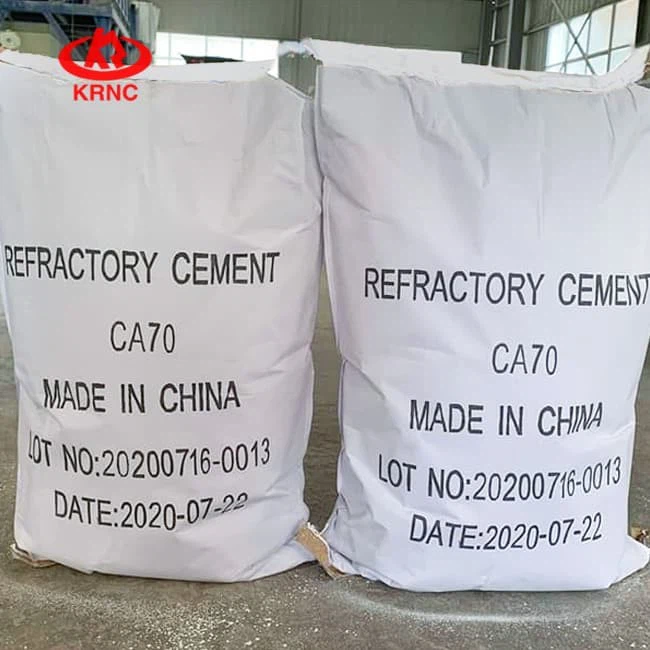
Let's talk about temperature. Refractory cement is pretty sensitive to it. When stored in an environment that's too hot, the chemical reactions within the cement can speed up. This leads to premature setting or hardening. You know how dough can rise too fast in a warm room and end up over - proofed? Well, it's kind of the same with refractory cement. If it starts to set before you use it, it won't work as intended. For example, in a super - hot warehouse during summer, the cement might start to clump up. These clumps are hard to break down and incorporate into your mix, and it can seriously affect the overall strength and heat - resistance of the final product.
On the flip side, cold storage can also be a pain. When the temperature drops below freezing, the water molecules in the cement can freeze. This expanding ice can cause fractures in the cement particles. Once you try to use this frozen cement, it won't bond properly, and you'll end up with a weak and ineffective final result. So, keeping the storage temperature in a stable range is crucial. Ideal storage temperatures for most refractory cements are between 50°F (10°C) and 90°F (32°C).
Humidity is another big factor. Refractory cement is a powdery material, and it loves to soak up moisture from the air. When it gets too humid, the cement can start to hydrate prematurely. This partial hydration makes it less reactive when you mix it with water later on. Think of it as a sponge that's already halfway filled with water; it won't absorb as much more. As a result, the cement might not develop the strong bonds needed to withstand high temperatures. In a damp basement, for instance, the refractory cement bags can become damp, and you'll notice that the powder starts to cake. Once it cakes, it's very difficult to use and will definitely affect the performance of your refractory projects.
Now, let's touch on the aspect of air circulation. Good air circulation in the storage area helps to keep the temperature and humidity levels consistent. Without proper ventilation, hot and humid pockets can form, which is a recipe for disaster for refractory cement. In a poorly ventilated shed, the air can become stagnant, and the moisture can accumulate around the cement bags. This not only causes premature hydration but can also lead to the growth of mold and mildew, which further degrades the quality of the cement.
Another thing to consider is the way you store the cement bags. You should always store them off the ground. If they're placed directly on a wet floor, moisture can seep into the bags from the bottom. Using pallets or racks to elevate the bags is a simple yet effective way to prevent this. Also, try to stack the bags neatly and not too high. A high, unstable stack can easily topple over, leading to damage to the bags and potential exposure of the cement to the elements.
Let's look at some specific types of refractory cement and how storage affects them. For Refractory Cement CA80, it's a high - performance cement with a high alumina content. Due to its composition, it's even more sensitive to storage conditions. Any deviation from the ideal temperature and humidity can lead to a significant reduction in its heat - resistance and strength. For example, if it gets too hot, the high - temperature phases in the cement can form prematurely, which can change its physical properties.
HIgh Density High Alumina Cement is designed to have a high density and excellent refractory properties. But storing it in a humid environment can cause the formation of calcium hydroxide, which can weaken the structure of the cement and reduce its ability to withstand high - temperature stresses.
70% High Alumina Refractory Cement also requires careful storage. Its high alumina content gives it good refractory characteristics, but improper storage can lead to the oxidation of some of its components. This oxidation can change the color and composition of the cement, and ultimately, its performance in high - temperature applications.
So, how can you make sure you're getting the best performance out of your refractory cement? Well, first, choose a storage area that you can control the temperature and humidity in. A climate - controlled warehouse is ideal, but if that's not possible, at least try to find a dry, well - ventilated space. Check the storage area regularly for any signs of humidity, temperature fluctuations, or damage to the cement bags. And always follow the manufacturer's storage recommendations.
As a refractory cement supplier, I've seen firsthand how proper storage can make or break a project. I know that finding high - quality refractory cement and storing it correctly is crucial for your business. Whether you're working on a small - scale fireplace renovation or a large - scale industrial furnace project, using well - stored refractory cement is the key to success.
If you're in the market for refractory cement, don't hesitate to reach out. We've got a wide range of products, including Refractory Cement CA80, HIgh Density High Alumina Cement, and 70% High Alumina Refractory Cement. We can also provide you with expert advice on how to store and use our products to get the best results. Let's start a conversation and see how we can help you with your refractory needs!
References
- ASTM International. (Year). Standard specifications for refractory cement.
- Various industry research papers on the properties and storage of refractory cement.


