

What is the abrasion resistance of refractory cement?
As a supplier of refractory cement, I've witnessed firsthand the critical role that abrasion resistance plays in various industrial applications. Refractory cement is a specialized material designed to withstand high temperatures, chemical attacks, and mechanical stresses. Among these challenges, abrasion is a significant factor that can impact the performance and longevity of refractory linings.
Abrasion resistance refers to the ability of a material to resist wear and tear caused by friction, rubbing, or impact. In the context of refractory cement, it is crucial for applications where the material is exposed to moving particles, such as in furnaces, kilns, and other high - temperature processing equipment. When refractory cement has good abrasion resistance, it can maintain its integrity and protective properties over an extended period, reducing the need for frequent repairs and replacements.
Factors Affecting Abrasion Resistance
1. Aggregate Properties
The type and quality of aggregates used in refractory cement have a major influence on its abrasion resistance. Aggregates are the granular materials that are mixed with the cement matrix. High - quality aggregates, such as fused alumina or silicon carbide, are known for their hardness and toughness. These aggregates can provide a strong and durable framework within the cement, making it more resistant to abrasion. For example, fused alumina has a high Mohs hardness, which means it can withstand the scratching and grinding forces exerted by abrasive particles.
2. Cement Matrix Composition
The composition of the cement matrix also affects abrasion resistance. The binder phase in refractory cement, which holds the aggregates together, should have good adhesion and strength. Some refractory cements use high - alumina cements as binders. High - alumina cements form a dense and strong matrix that can effectively hold the aggregates in place, preventing them from being dislodged by abrasion. Additionally, the presence of certain additives in the cement matrix can enhance its abrasion - resistant properties. For instance, some additives can improve the density and hardness of the matrix, making it more resistant to wear.
3. Microstructure
The microstructure of refractory cement plays a vital role in its abrasion resistance. A well - developed and uniform microstructure with minimal porosity can provide better resistance to abrasion. Porosity in refractory cement can act as weak points where abrasive particles can penetrate and cause damage. By controlling the manufacturing process, such as the mixing and curing conditions, we can optimize the microstructure of the cement to reduce porosity and improve its abrasion - resistant performance.
Measuring Abrasion Resistance
There are several standard test methods available to measure the abrasion resistance of refractory cement. One commonly used method is the ASTM C704 standard, which involves subjecting a refractory specimen to a stream of abrasive particles under controlled conditions. The weight loss of the specimen after the abrasion test is then measured, and this value is used as an indicator of its abrasion resistance. A lower weight loss indicates better abrasion resistance.
Another method is the DIN 51086 standard, which uses a rotating disk with an abrasive surface to abrade the refractory sample. Similar to the ASTM method, the amount of material removed from the sample is measured to evaluate its abrasion - resistant properties. These test methods allow us to compare different types of refractory cements and select the most suitable one for specific applications.
Applications Requiring High Abrasion Resistance
1. Furnaces
In furnaces, refractory cement is used to line the interior walls and floors. These areas are exposed to high - temperature gases and moving particles, such as coal ash or metal oxides. Furnace Refractory Cement with high abrasion resistance is essential to prevent the lining from wearing out quickly, which could lead to heat loss and potential damage to the furnace structure.
2. Kilns
Kilns are used in industries such as ceramics, cement, and lime production. The refractory linings in kilns are subjected to continuous abrasion from the movement of raw materials and the rotation of the kiln. A refractory cement with good abrasion resistance can ensure the long - term performance of the kiln lining, reducing downtime and maintenance costs.

3. Steelmaking
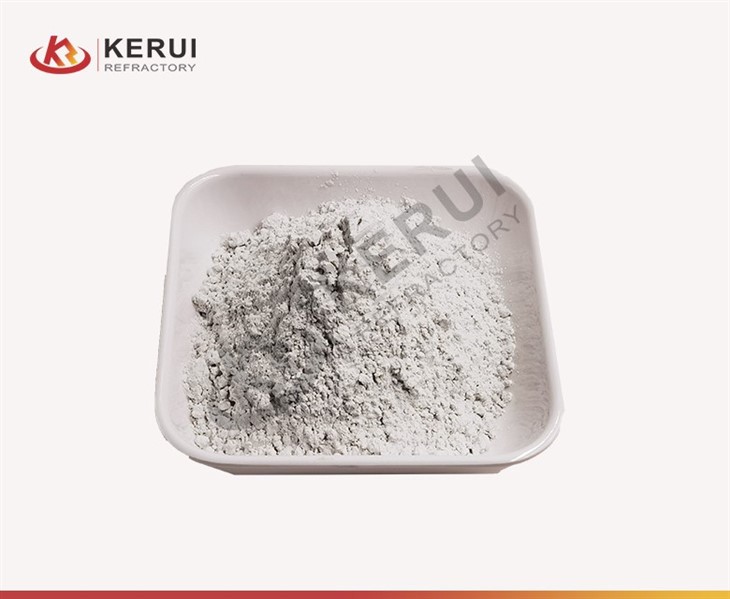
In the steelmaking process, refractory cement is used in ladles, tundishes, and other equipment. These components are exposed to molten steel and slag, which can cause severe abrasion. HIgh Density High Alumina Cement is often used in these applications due to its high abrasion resistance and ability to withstand high temperatures.
Our Offerings as a Refractory Cement Supplier
As a supplier of refractory cement, we understand the importance of abrasion resistance in different industrial applications. We offer a wide range of refractory cements with varying levels of abrasion resistance to meet the specific needs of our customers. Our Fire Cement For Sale is carefully formulated using high - quality aggregates and binders to ensure excellent abrasion - resistant properties.
We also provide technical support to our customers. Our team of experts can help you select the most suitable refractory cement for your application based on factors such as the operating temperature, the type of abrasive particles involved, and the expected service life. We can also offer advice on installation and maintenance to maximize the performance of the refractory lining.
Contact Us for Procurement
If you are in need of high - quality refractory cement with excellent abrasion resistance, we invite you to contact us for procurement. Our sales team is ready to assist you with any questions you may have and to provide you with a detailed quotation. Whether you are a small - scale manufacturer or a large industrial enterprise, we can offer you the right refractory cement solutions to meet your requirements.
References
- ASTM International. ASTM C704 - 18 Standard Test Method for Abrasion Resistance of Refractory Materials by Air - Erosion.
- Deutsches Institut für Normung (DIN). DIN 51086 - 2:2002 - 06 Testing of Ceramic Raw and Basic Materials; Determination of Abrasion Resistance; Part 2: Rotating Disc Method.


