

Can acid proof bricks be used in food processing facilities?
As a supplier of acid proof bricks, I often encounter inquiries about the suitability of these products in various industrial settings, especially in food processing facilities. This blog post aims to explore the feasibility of using acid proof bricks in such environments, considering factors like safety, performance, and regulatory compliance.
Understanding Acid Proof Bricks
Acid proof bricks are a type of refractory material known for their high resistance to acidic substances. They are typically made from clay, silica, or other mineral materials and are fired at high temperatures to achieve the desired chemical and physical properties. These bricks are widely used in industries where exposure to acids is common, such as chemical processing, metallurgy, and wastewater treatment.
The key characteristic of acid proof bricks is their ability to withstand the corrosive effects of acids, which can cause significant damage to ordinary building materials. They also have excellent thermal stability, making them suitable for applications where high temperatures are involved. Additionally, acid proof bricks are known for their low porosity, which helps prevent the penetration of acids and other corrosive agents.
Safety Considerations in Food Processing
When it comes to using acid proof bricks in food processing facilities, safety is of utmost importance. The materials used in these facilities must comply with strict food safety regulations to ensure that the products produced are safe for consumption. Any contact between the bricks and food products should not introduce harmful substances or contaminants.
Most acid proof bricks are made from natural minerals, which are generally considered safe. However, it is essential to ensure that the manufacturing process does not involve the use of any toxic or hazardous substances. Additionally, the bricks should be properly installed and maintained to prevent the release of any particles or dust that could contaminate the food.
Performance Requirements in Food Processing
In addition to safety, acid proof bricks must also meet the performance requirements of food processing facilities. These facilities often involve processes such as cooking, baking, and fermentation, which can generate high temperatures and acidic environments. The bricks must be able to withstand these conditions without deteriorating or losing their acid resistance.
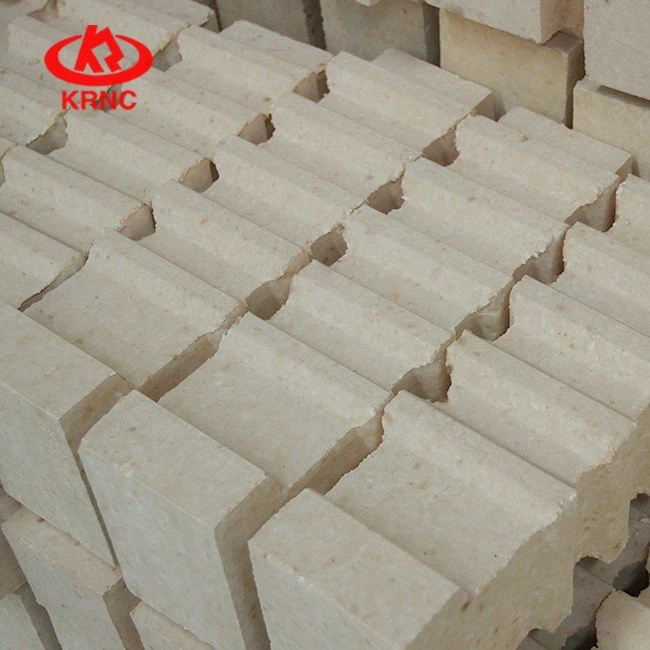
High Alumina Refractory Bricks, available at High Alumina Refractory Bricks, are a type of acid proof brick that offers excellent thermal stability and acid resistance. They are made from high-quality alumina materials and are suitable for use in high-temperature applications. Another option is the Andalusite Brick, which can be found at Andalusite Brick. These bricks are known for their high strength and resistance to thermal shock, making them ideal for use in food processing facilities.
Regulatory Compliance
Food processing facilities are subject to strict regulations regarding the use of materials in contact with food. These regulations vary from country to country but generally require that the materials used are non-toxic, non-reactive, and easy to clean. Acid proof bricks must comply with these regulations to be used in these facilities.
Before using acid proof bricks in a food processing facility, it is important to consult with local regulatory authorities to ensure that the bricks meet all the necessary requirements. Additionally, the manufacturer of the bricks should provide documentation certifying that the products comply with relevant food safety standards.

Installation and Maintenance
Proper installation and maintenance of acid proof bricks are crucial to ensure their long-term performance and safety in food processing facilities. The bricks should be installed by experienced professionals who are familiar with the specific requirements of these facilities. They should be properly sealed and grouted to prevent the penetration of acids and other contaminants.
Regular maintenance is also essential to keep the bricks in good condition. This includes inspecting the bricks for any signs of damage or wear, cleaning them regularly to remove any dirt or debris, and repairing any cracks or chips as soon as they are detected. Refractory Anchoring Bricks, as described at Refractory Anchoring Bricks, can be used to secure the acid proof bricks in place and prevent them from shifting or falling.
Conclusion
In conclusion, acid proof bricks can be used in food processing facilities, provided that they meet the necessary safety, performance, and regulatory requirements. These bricks offer excellent acid resistance and thermal stability, making them suitable for use in high-temperature and acidic environments. However, it is important to ensure that the bricks are made from safe materials, properly installed, and regularly maintained to prevent any potential contamination of the food products.
If you are considering using acid proof bricks in your food processing facility, I encourage you to contact us to discuss your specific needs. Our team of experts can provide you with detailed information about our products and help you choose the right acid proof bricks for your application. We are committed to providing high-quality products and excellent customer service, and we look forward to working with you to ensure the success of your food processing operations.
References
- ASTM International. (Year). Standard Specification for Acid-Resistant Clay and Silica Chemical-Resistant Masonry Units. ASTM C279.
- Food and Drug Administration. (Year). Code of Federal Regulations, Title 21, Part 177 - Indirect Food Additives: Adhesives and Components of Coatings.


