

As a supplier of Ceramic Fiber Paper, I often get asked about the recyclability of this product. Ceramic fiber paper is widely used in various industries due to its excellent thermal insulation properties, chemical stability, and low thermal conductivity. However, with the increasing emphasis on environmental protection and sustainable development, the question of whether ceramic fiber paper can be recycled has become a significant concern. In this blog post, I will explore this topic in detail, providing insights based on scientific research and industry practices.
What is Ceramic Fiber Paper?
Ceramic fiber paper is a high - performance insulation material made from ceramic fibers. These fibers are typically produced by melting alumina, silica, and other inorganic materials at high temperatures and then spinning them into fine fibers. The fibers are then processed into paper - like sheets using a wet - forming process, which involves mixing the fibers with water and additives, and then drying the mixture to form a dense, uniform sheet.
Ceramic fiber paper is known for its high temperature resistance, often capable of withstanding temperatures up to 1260°C (2300°F). It is used in applications such as furnace linings, insulation for pipes and ducts, gaskets for high - temperature equipment, and fire protection barriers. Its light weight and flexibility make it easy to install and handle, which further contributes to its popularity in industrial settings.
The Recycling Process of Traditional Materials vs. Ceramic Fiber Paper
In general, the recycling process of materials involves collecting, sorting, cleaning, and re - processing them into new products. For many common materials like metals, plastics, and paper, well - established recycling systems exist. However, ceramic fiber paper presents unique challenges when it comes to recycling.
Challenges in Recycling Ceramic Fiber Paper
- Fiber Structure and Integrity: Ceramic fibers have a unique microstructure. Their fine and brittle nature makes them difficult to re - process without losing their original properties. During the recycling process, the fibers can break into smaller pieces, which may not have the same strength and insulation performance as the original material.
- Contamination: Ceramic fiber paper is often used in high - temperature and industrial environments, where it can be contaminated with various substances such as oils, chemicals, and metal particles. These contaminants need to be removed before recycling, which adds complexity and cost to the process.
- Lack of Standardized Recycling Methods: Unlike more common materials, there is a lack of standardized recycling methods for ceramic fiber paper. This is partly due to the relatively niche market for this product and the specialized nature of its production and use.
Current Recycling Initiatives and Research
Despite the challenges, there are ongoing efforts to develop recycling solutions for ceramic fiber paper. Some research institutions and companies are exploring different approaches to recycle this material.
Chemical Recycling
One approach is chemical recycling, which involves using chemical solvents to break down the ceramic fiber paper into its basic components. These components can then be used to produce new ceramic fibers or other ceramic - based products. However, this method requires careful control of the chemical reactions to ensure that the recycled materials meet the required quality standards.
Physical Recycling
Physical recycling methods focus on re - using the ceramic fiber paper without significant chemical modification. For example, the paper can be shredded and then mixed with new fibers to produce a composite material. This approach can help reduce the amount of virgin materials used in production, but it also has limitations in terms of the quality and performance of the recycled product.
Environmental Impact of Ceramic Fiber Paper and Recycling
The environmental impact of ceramic fiber paper is a complex issue. On one hand, its use can help reduce energy consumption in high - temperature applications due to its excellent insulation properties. This energy savings can have a positive impact on the environment by reducing greenhouse gas emissions.
On the other hand, if ceramic fiber paper is not recycled properly, it can end up in landfills, where it may pose potential environmental risks. Some ceramic fibers, especially those with a certain diameter and length, have been classified as potentially hazardous to human health if inhaled. Therefore, proper disposal and recycling are crucial to minimize these risks.
Alternatives and Complementary Products
While efforts are being made to recycle ceramic fiber paper, it's also worth considering alternative or complementary products. For example, High Temperature Ceramic Fiberboard is a similar product that offers higher strength and durability compared to ceramic fiber paper. It can be used in applications where the paper may not be suitable, such as heavy - duty furnace linings.
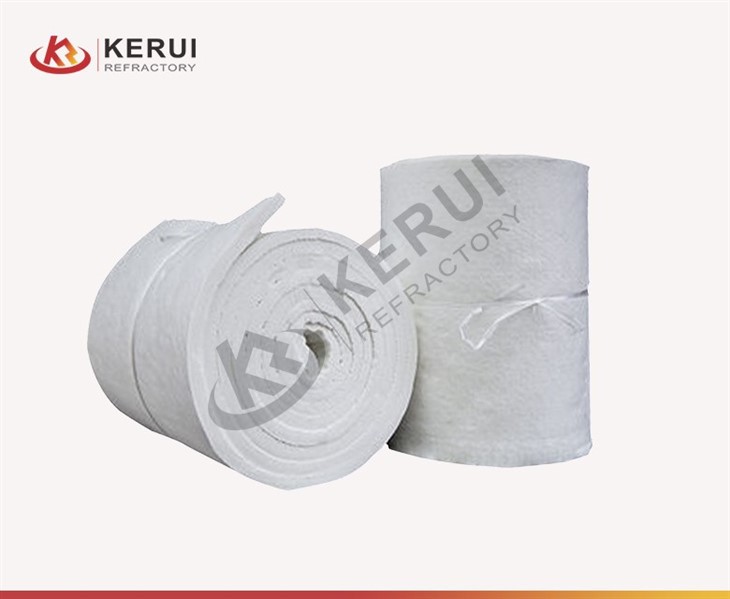
Another option is Refractory Ceramic Fiber Blanket, which provides excellent insulation and is more flexible than the fiberboard. These products can sometimes be recycled more easily or have a lower environmental impact during production and disposal.
Conclusion and Call to Action
In conclusion, while the recyclability of ceramic fiber paper is currently limited due to various challenges, there is hope for the future. Ongoing research and development efforts are gradually making progress in finding effective recycling solutions. As a supplier, I am committed to promoting sustainable practices in the use and disposal of ceramic fiber paper.

If you are in the market for high - quality ceramic fiber paper or related products, I encourage you to reach out to me. We can discuss your specific needs, the environmental impact of our products, and explore potential recycling options. By working together, we can contribute to a more sustainable future while meeting your industrial insulation requirements.
References
- "Ceramic Fibers: Properties, Applications, and Environmental Impact" - Journal of Advanced Materials Research
- "Recycling Technologies for High - Performance Ceramic Materials" - International Journal of Recycling of Materials
- Industry reports on ceramic fiber product manufacturing and environmental regulations


