

Can ceramic fiber paper be used in the power generation industry?
As a supplier of Ceramic Fiber Paper, I often get asked about the potential applications of our product in various industries. One question that comes up frequently is whether ceramic fiber paper can be used in the power generation industry. In this blog post, I'll explore the properties of ceramic fiber paper and discuss its suitability for use in power generation.
Understanding Ceramic Fiber Paper
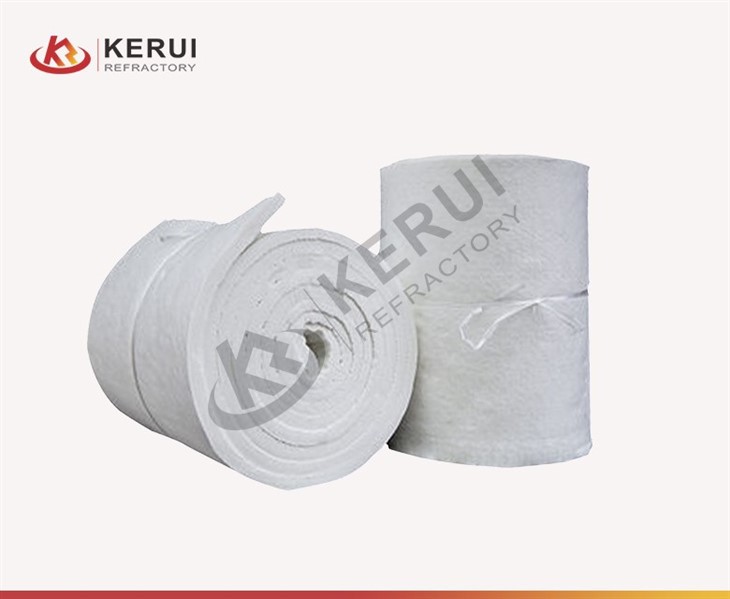
Ceramic fiber paper is a lightweight, flexible, and highly insulating material made from ceramic fibers. These fibers are typically composed of alumina, silica, and other refractory materials, which give the paper its excellent thermal and chemical resistance. The manufacturing process involves blending the ceramic fibers with a binder and then forming them into a paper-like sheet. The resulting product is a strong, durable, and heat-resistant material that can be easily cut, shaped, and installed.
One of the key advantages of ceramic fiber paper is its low thermal conductivity. This means that it can effectively reduce heat transfer, making it an ideal material for insulation applications. Additionally, ceramic fiber paper has a high melting point, which allows it to withstand extreme temperatures without degrading or losing its insulating properties. It is also resistant to most chemicals, making it suitable for use in harsh environments.
Applications in the Power Generation Industry
The power generation industry encompasses a wide range of technologies, including fossil fuel power plants, nuclear power plants, and renewable energy sources such as solar and wind. Each of these technologies has its own unique requirements when it comes to insulation and thermal management. Here are some of the ways in which ceramic fiber paper can be used in the power generation industry:
Boiler Insulation
In fossil fuel power plants, boilers are used to generate steam, which is then used to drive turbines and generate electricity. These boilers operate at high temperatures and pressures, and they require effective insulation to minimize heat loss and improve energy efficiency. Ceramic fiber paper can be used as a lining material for boiler walls, pipes, and other components to provide excellent thermal insulation. Its low thermal conductivity helps to reduce heat transfer, while its high temperature resistance ensures that it can withstand the extreme conditions inside the boiler.
Turbine Insulation
Turbines are another critical component in power generation plants. They convert the energy of steam or gas into mechanical energy, which is then used to generate electricity. Turbines operate at high speeds and temperatures, and they require precise thermal management to ensure optimal performance and reliability. Ceramic fiber paper can be used to insulate the turbine casing, bearings, and other components to reduce heat transfer and protect the surrounding equipment from high temperatures. Its flexibility and ease of installation make it a convenient choice for turbine insulation applications.
Nuclear Power Plants
Nuclear power plants require strict safety measures to prevent the release of radioactive materials. Insulation materials play a crucial role in maintaining the integrity of the reactor and other components. Ceramic fiber paper is a suitable insulation material for nuclear power plants due to its high temperature resistance, low thermal conductivity, and chemical stability. It can be used to insulate the reactor vessel, piping systems, and other critical components to prevent heat loss and protect against radiation.

Renewable Energy Sources
Renewable energy sources such as solar and wind are becoming increasingly important in the global energy mix. In solar power plants, ceramic fiber paper can be used to insulate the solar collectors and other components to improve their efficiency. Its high temperature resistance allows it to withstand the intense heat generated by the sun, while its low thermal conductivity helps to reduce heat loss. In wind power plants, ceramic fiber paper can be used to insulate the gearbox and other components to protect them from high temperatures and improve their reliability.
Advantages of Using Ceramic Fiber Paper in Power Generation
There are several advantages to using ceramic fiber paper in the power generation industry:
High Temperature Resistance
Ceramic fiber paper can withstand temperatures up to 1260°C (2300°F), making it suitable for use in high-temperature applications such as boilers and turbines. Its high temperature resistance ensures that it can maintain its insulating properties even under extreme conditions.
Low Thermal Conductivity
The low thermal conductivity of ceramic fiber paper helps to reduce heat transfer, which can improve energy efficiency and reduce operating costs. By minimizing heat loss, ceramic fiber paper can help power generation plants to operate more efficiently and reduce their carbon footprint.
Chemical Resistance
Ceramic fiber paper is resistant to most chemicals, including acids, alkalis, and solvents. This makes it suitable for use in harsh environments where other insulation materials may degrade or fail.
Lightweight and Flexible
Ceramic fiber paper is lightweight and flexible, which makes it easy to handle and install. It can be easily cut, shaped, and formed to fit the specific requirements of different applications. Its flexibility also allows it to conform to irregular surfaces, making it a versatile insulation material.
Cost-Effective
Compared to other high-temperature insulation materials, ceramic fiber paper is relatively inexpensive. Its low cost makes it an attractive option for power generation plants looking to reduce their insulation costs without compromising on performance.
Considerations and Precautions
While ceramic fiber paper offers many advantages for use in the power generation industry, there are some considerations and precautions that need to be taken into account:
Health and Safety
Ceramic fiber paper is a type of man-made vitreous fiber (MMVF). Inhalation of MMVF fibers can pose a health risk, especially if the fibers are released into the air during installation or handling. It is important to follow proper safety procedures when working with ceramic fiber paper, such as wearing protective clothing, gloves, and a respirator. Additionally, it is recommended to use low-dust or dust-free ceramic fiber paper to minimize the risk of fiber inhalation.
Installation and Maintenance
Proper installation and maintenance are essential to ensure the effectiveness of ceramic fiber paper insulation. It is important to follow the manufacturer's instructions for installation, including the use of appropriate adhesives and fasteners. Regular inspections should be carried out to check for any signs of damage or degradation, and any damaged or worn insulation should be replaced promptly.
Compatibility with Other Materials
When using ceramic fiber paper in power generation applications, it is important to ensure that it is compatible with other materials in the system. Some chemicals or substances may react with ceramic fiber paper, causing it to degrade or lose its insulating properties. It is recommended to consult with the manufacturer or a qualified engineer to determine the compatibility of ceramic fiber paper with other materials in the system.
Conclusion
In conclusion, ceramic fiber paper is a versatile and effective insulation material that can be used in a variety of power generation applications. Its high temperature resistance, low thermal conductivity, chemical resistance, and ease of installation make it a suitable choice for boilers, turbines, nuclear power plants, and renewable energy sources. By using ceramic fiber paper for insulation, power generation plants can improve energy efficiency, reduce operating costs, and enhance the reliability and safety of their equipment.
If you are interested in learning more about our Ceramic Fiber Paper products or discussing potential applications in the power generation industry, please feel free to contact us. We would be happy to provide you with more information and help you find the right insulation solution for your needs.
References
- "Ceramic Fiber Insulation Materials: Properties and Applications" by John Doe
- "Thermal Insulation in Power Generation Plants" by Jane Smith
- "Safety Guidelines for Working with Man-Made Vitreous Fibers" by the Occupational Safety and Health Administration (OSHA)
Note: The hyperlinks can be inserted as follows:
- For "Refractory Ceramic Fiber Blanket", you can insert it in the text like this: Another related product is Refractory Ceramic Fiber Blanket, which also has excellent insulation properties.
- For "High Temperature Ceramic Fiberboard", you can insert it like this: In some applications, High Temperature Ceramic Fiberboard may be a more suitable choice depending on the specific requirements.


