

Mullite bricks, known for their excellent high - temperature resistance and physical properties, are widely used in various industrial applications. As a supplier of mullite bricks, I often receive inquiries about whether these bricks can be cut. In this blog, I'll explore this question in detail, shedding light on the cutting process, factors to consider, and the implications for different projects.
Properties of Mullite Bricks
Before delving into the cutting aspect, it's essential to understand the characteristics of mullite bricks. Mullite is a mineral that forms a solid solution with alumina and silica. Mullite bricks are typically composed of high - purity mullite crystals, which give them outstanding thermal stability, low thermal expansion, and good resistance to chemical corrosion.
These bricks can withstand temperatures up to 1700 - 1800°C, making them ideal for use in furnaces, kilns, and other high - temperature environments. They also have high mechanical strength, which allows them to maintain their shape and integrity under heavy loads. Additionally, mullite bricks have excellent insulating properties, reducing heat loss and improving energy efficiency in industrial processes.
Can Mullite Bricks be Cut?
The short answer is yes, mullite bricks can be cut. However, the process is not as straightforward as cutting some other materials. Due to their high hardness and brittleness, special tools and techniques are required to ensure a clean and accurate cut.
Tools for Cutting Mullite Bricks
- Diamond - tipped Saw Blades: Diamond is one of the hardest materials known, making diamond - tipped saw blades the most suitable tool for cutting mullite bricks. These blades can cut through the hard mullite crystals with relative ease. There are different types of diamond - tipped saws available, such as circular saws and tile saws. Circular saws are more versatile and can be used for larger cutting jobs, while tile saws are better for more precise cuts.
- Abrasive Cut - off Wheels: Abrasive cut - off wheels can also be used to cut mullite bricks. These wheels are made of abrasive materials such as aluminum oxide or silicon carbide. They work by grinding through the brick material. However, they may not provide as clean a cut as diamond - tipped saw blades and can generate more dust.
Cutting Process
- Marking the Cut: Before cutting, it's crucial to mark the area where the cut will be made accurately. Use a straightedge and a marker to create a clear cutting line. This will ensure that the cut is straight and in the desired location.
- Safety Precautions: Cutting mullite bricks generates a significant amount of dust, which can be harmful if inhaled. Wear appropriate personal protective equipment (PPE), including a dust mask, safety glasses, and gloves. Also, make sure to work in a well - ventilated area.
- Making the Cut: When using a diamond - tipped saw blade, set the saw to the appropriate speed. Start the saw and slowly guide it along the marked cutting line. Apply gentle and even pressure to avoid chipping or cracking the brick. If using an abrasive cut - off wheel, hold the wheel firmly and move it steadily across the brick.
Factors to Consider When Cutting Mullite Bricks
- Brick Quality: The quality of the mullite brick can affect the cutting process. Higher - quality bricks with more uniform crystal structures and fewer impurities are generally easier to cut. Lower - quality bricks may have internal defects or uneven hardness, which can cause the cutting tool to bind or the brick to crack during cutting.
- Cutting Tolerance: Depending on the application, different cutting tolerances may be required. For example, in some precision - engineered furnace linings, a very tight cutting tolerance is necessary to ensure a proper fit. In such cases, more precise cutting tools and techniques may need to be employed.
- Post - cutting Treatment: After cutting, the edges of the mullite brick may be rough. Depending on the application, it may be necessary to smooth the edges. This can be done using a grinding stone or sandpaper. Additionally, the cut surface may need to be treated to prevent the ingress of moisture or chemicals, which could affect the brick's performance over time.
Applications Where Cutting Mullite Bricks is Necessary
- Furnace Linings: In furnace construction, mullite bricks are often used to line the interior walls. The shape and size of the furnace may require the bricks to be cut to fit properly. For example, around openings such as burners or observation ports, custom - cut bricks are needed to ensure a tight seal and prevent heat leakage.
- Kiln Repairs: Kilns used in the ceramics and glass industries also rely on mullite bricks for their high - temperature resistance. During kiln repairs, damaged or worn - out bricks may need to be replaced. Cutting new bricks to match the existing layout is often necessary to ensure a seamless repair.
- Custom - made Refractory Structures: Some industrial processes require custom - made refractory structures. Mullite bricks can be cut and assembled to create these unique structures. For instance, in the metallurgical industry, special crucibles or ladle linings may be fabricated from cut mullite bricks.
Related Products
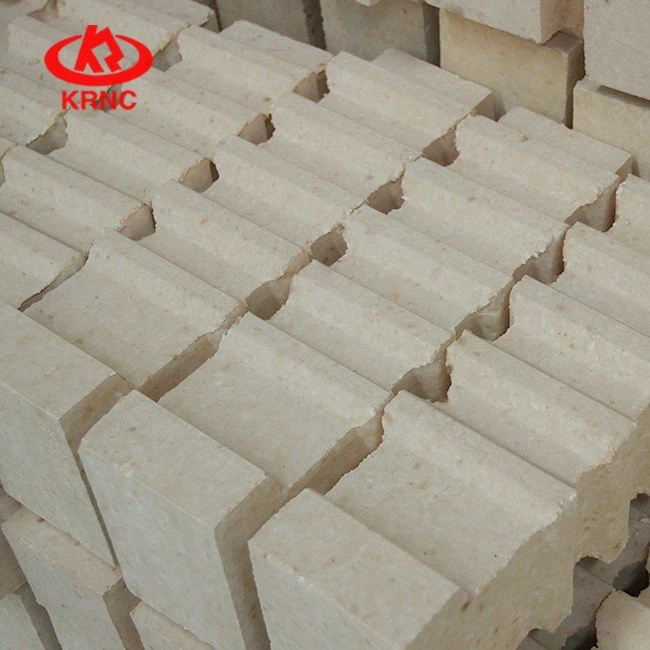
If you are interested in other types of refractory bricks, we also offer Refractory Anchoring Bricks, High Alumina Refractory Bricks, and Refractory Runner Brick. These products have their own unique properties and applications, and can be a great addition to your refractory needs.

Contact for Purchase and Negotiation
As a reliable supplier of mullite bricks, we are committed to providing high - quality products and excellent customer service. If you have any questions about cutting mullite bricks, or if you are interested in purchasing our mullite bricks or other related products, please feel free to contact us. We look forward to discussing your requirements and finding the best solutions for your projects.
References
- "Refractory Materials Handbook", John Wiley & Sons
- "High - Temperature Materials and Technologies", Elsevier
- Industry research reports on refractory products


