

Hey there! As a supplier of Acid Proof Bricks, I've seen firsthand how these amazing bricks perform in chemical plants. In this blog, I'm gonna share with you all the ins and outs of how acid proof bricks hold up in the tough environment of chemical plants.
The Chemical Plant Environment
Chemical plants are like war - zones for building materials. They're filled with all sorts of harsh chemicals, extreme temperatures, and high - pressure conditions. Acids, alkalis, and other corrosive substances are constantly on the move, looking for any weak spot in the building's structure to attack.
For example, in a sulfuric acid production plant, the concentration of sulfuric acid can be extremely high. Sulfuric acid is a highly corrosive substance that can eat through many common building materials in no time. Even a small leak can cause significant damage to the floors, walls, and equipment in the plant.
Why Acid Proof Bricks?
So, why are acid proof bricks the go - to choice for chemical plants? Well, it all comes down to their unique properties.
Corrosion Resistance
Acid proof bricks are specially formulated to resist the corrosive effects of acids and other chemicals. They're made from high - quality raw materials like clay, quartz, and other refractory minerals. These materials have a low porosity, which means there are fewer tiny holes for the chemicals to seep into.

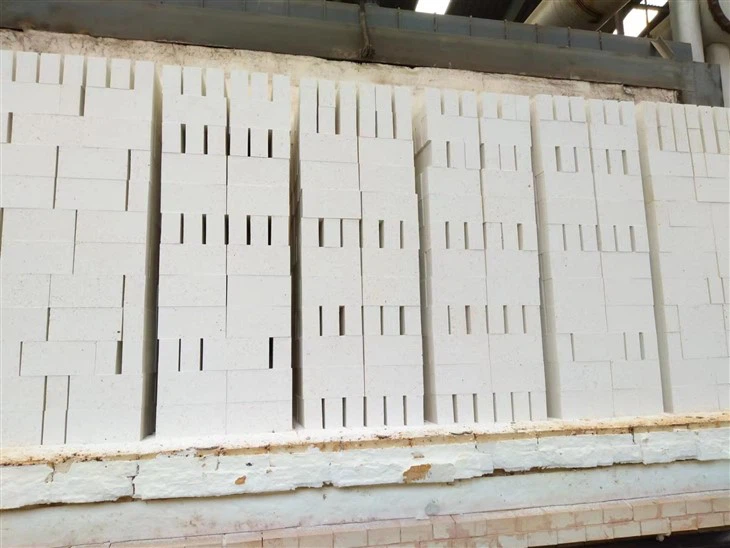
Let's say you have a storage tank for hydrochloric acid. If you line the tank with regular bricks, the hydrochloric acid will quickly start to dissolve the bricks, leading to leaks and structural damage. But if you use acid proof bricks, they can withstand the acid's attack for a long time, ensuring the safety and integrity of the tank.
Thermal Stability
Chemical processes often involve high temperatures. Acid proof bricks can handle these heat - intensive operations without losing their strength or shape. They have a high melting point and good thermal shock resistance.
In a high - temperature chemical reaction chamber, where the temperature can reach several hundred degrees Celsius, acid proof bricks can maintain their structure. This is crucial because any deformation or cracking of the bricks could lead to leaks of dangerous chemicals or a loss of efficiency in the chemical process.
Mechanical Strength
Acid proof bricks are also strong enough to withstand the mechanical stresses in a chemical plant. There's a lot of movement in these plants, with heavy equipment being moved around, pipes vibrating, and workers walking on the floors.
For instance, in a large - scale chemical manufacturing facility, forklifts are constantly moving barrels of chemicals. The floors need to be able to support the weight of these forklifts and barrels without getting damaged. Acid proof bricks provide the necessary strength and durability for such heavy - duty applications.
Applications in Chemical Plants
Acid proof bricks are used in a wide variety of applications in chemical plants.
Lining of Tanks and Vessels
As I mentioned earlier, tanks and vessels that store or process corrosive chemicals are often lined with acid proof bricks. This lining protects the metal or concrete structure of the tank from corrosion. Whether it's a small storage tank for laboratory chemicals or a large industrial - scale tank for bulk chemical storage, acid proof bricks are the ideal choice.
Flooring
Chemical plant floors are constantly exposed to spills and splashes of chemicals. Acid proof bricks are used to create a durable and corrosion - resistant floor surface. They can be installed in areas where there's a high risk of chemical spills, such as near reaction vessels, loading docks, and chemical storage areas.
Chimney Linings
Chimneys in chemical plants release hot and corrosive gases. Acid proof bricks are used to line the chimneys to prevent the gases from corroding the chimney structure. The high - temperature resistance of these bricks ensures that they can withstand the heat of the exhaust gases, while their corrosion resistance protects against the acidic components in the gases.
Comparison with Other Materials
When it comes to choosing materials for chemical plants, there are other options available, but acid proof bricks have some clear advantages.
Compared to Regular Bricks
Regular bricks are not designed to handle the harsh chemical environment of a chemical plant. They're more porous and less resistant to corrosion. In a chemical plant, regular bricks would quickly deteriorate, leading to costly repairs and replacements.
On the other hand, acid proof bricks are specifically engineered for chemical - resistant applications. They can last for many years in a chemical plant, providing long - term protection.
Compared to Plastic Linings
Plastic linings are sometimes used in chemical plants, but they have limitations. Plastic can melt or deform at high temperatures, and some chemicals can react with plastic, causing it to break down.
Acid proof bricks, however, can handle high temperatures and a wide range of chemicals without these issues. They're a more reliable and long - lasting option for chemical plant applications.
Other Related Refractory Bricks
In addition to acid proof bricks, there are other types of refractory bricks that can be useful in chemical plants.
- Refractory Anchoring Bricks are used to anchor other refractory materials in place. They provide a secure connection between different parts of the refractory lining, ensuring the stability of the overall structure.
- Andalusite Brick is another type of refractory brick. It has excellent thermal shock resistance and high - temperature strength, which can be beneficial in some chemical processes that involve rapid temperature changes.
- Refractory Runner Brick is used in the pouring systems of molten metals and chemicals. It helps to control the flow of the molten substances and protect the surrounding equipment from the high - temperature and corrosive effects.
Conclusion
Acid proof bricks are an essential part of any chemical plant. Their corrosion resistance, thermal stability, and mechanical strength make them the perfect choice for protecting the plant's infrastructure from the harsh chemical environment. Whether it's lining tanks, creating floors, or lining chimneys, acid proof bricks play a crucial role in ensuring the safety and efficiency of chemical operations.
If you're in the chemical industry and looking for high - quality acid proof bricks or other refractory products, don't hesitate to reach out. We're here to provide you with the best solutions for your chemical plant needs. Let's have a chat and see how we can help you improve your plant's performance and safety.
References
- "Handbook of Refractory Materials" by John Smith
- "Chemical Plant Design and Operation" by Mary Johnson


