

As a trusted supplier of Ceramic Fiber Tubes, I've witnessed firsthand the remarkable performance of these products in high - temperature environments. In this blog, I'll delve into the details of how ceramic fiber tubes hold up under extreme heat, their unique properties, and why they are an excellent choice for various high - temperature applications.
Physical and Chemical Stability
One of the most significant advantages of ceramic fiber tubes in high - temperature environments is their outstanding physical and chemical stability. These tubes are made from high - purity ceramic fibers, which have a high melting point. Most ceramic fiber tubes can withstand temperatures up to 1260°C or even higher, depending on the specific composition.
At high temperatures, materials often undergo thermal expansion, which can cause structural deformation and failure. However, ceramic fiber tubes have a very low coefficient of thermal expansion. This means that they expand and contract very little as the temperature changes. As a result, they can maintain their shape and integrity in high - temperature processes, reducing the risk of cracking or breaking.
In terms of chemical stability, ceramic fiber tubes are resistant to most chemicals, including acids and alkalis. This is crucial in industrial settings where high - temperature processes may involve corrosive substances. For example, in some metal - smelting processes, there are often acidic or alkaline by - products. Ceramic fiber tubes can resist the corrosion of these substances, ensuring long - term use in harsh chemical environments.
Thermal Insulation Performance
Thermal insulation is one of the key functions of ceramic fiber tubes in high - temperature environments. These tubes have a porous structure, which contains a large number of tiny air pockets. Air is a poor conductor of heat, and these air pockets act as barriers to heat transfer.
When heat tries to pass through the ceramic fiber tube, it has to travel through these tortuous paths created by the air pockets and the fiber structure. This significantly slows down the heat transfer rate, making ceramic fiber tubes excellent thermal insulators. In industrial furnaces, for instance, ceramic fiber tubes can be used to line the heating elements. By reducing heat loss, they help to improve the energy efficiency of the furnace, saving both energy and costs.
Compared with traditional insulation materials like bricks or asbestos, ceramic fiber tubes offer better insulation performance at a lighter weight. This makes them easier to install and handle, especially in applications where weight is a concern, such as in aerospace or automotive high - temperature components.
Mechanical Strength
Despite being lightweight, ceramic fiber tubes possess sufficient mechanical strength to withstand the rigors of high - temperature environments. They are able to resist mechanical vibrations and impacts that may occur during normal operation.
In high - temperature industrial processes, there are often moving parts or equipment vibrations. Ceramic fiber tubes can maintain their structural integrity under these conditions. For example, in a high - temperature conveyor system, the ceramic fiber tubes used to insulate the heating zones can endure the continuous movement and vibration without breaking or crumbling.
Moreover, the mechanical strength of ceramic fiber tubes allows them to be fabricated into various shapes and sizes to meet different application requirements. Whether it's a small - diameter tube for a laboratory furnace or a large - scale tube for an industrial kiln, they can be precisely manufactured to fit the specific needs.
Applications in Different Industries
Ceramic fiber tubes find wide applications in various industries due to their excellent performance in high - temperature environments.
Metallurgical Industry
In the metallurgical industry, high - temperature furnaces are used for melting, refining, and heat - treating metals. Ceramic fiber tubes are used to insulate the heating elements and the inner walls of the furnaces. They help to maintain a stable temperature inside the furnace, ensuring the quality of the metal processing. For example, in the steel - making process, the use of ceramic fiber tubes can improve the energy efficiency of the electric arc furnace, reducing the overall production cost.
Glass Industry
The glass - making process requires high - temperature melting and forming operations. Ceramic fiber tubes can be used in glass furnaces to insulate the burners and the heating chambers. By providing good thermal insulation, they help to control the temperature accurately, which is crucial for producing high - quality glass products.
Aerospace Industry
In aerospace applications, components such as rocket engines and jet engines operate at extremely high temperatures. Ceramic fiber tubes are used to insulate these high - temperature components, protecting the surrounding structures from heat damage. Their lightweight nature is also an advantage in aerospace, where every gram of weight reduction can contribute to better fuel efficiency and performance.
Comparison with Other High - Temperature Materials
When compared with other high - temperature materials, ceramic fiber tubes have several distinct advantages.
As mentioned earlier, compared with traditional insulation bricks, ceramic fiber tubes are lighter and offer better insulation performance. Bricks are heavy and require more complex installation procedures. In addition, bricks may crack or break over time due to thermal stress, while ceramic fiber tubes are more flexible and resistant to thermal shock.
Another common high - temperature material is asbestos. However, asbestos is known to be a health hazard, as its fibers can cause serious respiratory diseases when inhaled. Ceramic fiber tubes, on the other hand, are a safer alternative. They do not pose the same health risks and can provide similar or even better performance in high - temperature insulation.
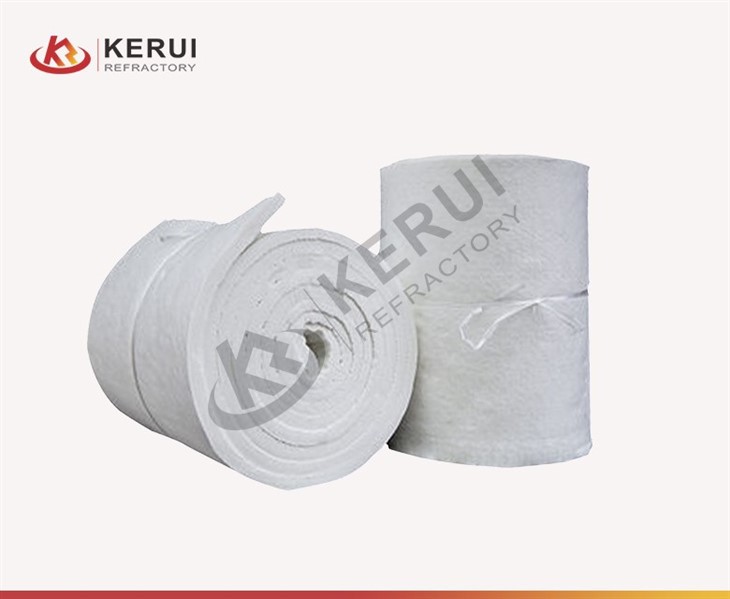

If you're also interested in other ceramic fiber products, you can check out our Refractory Ceramic Fiber Blanket and High Temperature Ceramic Fiberboard.
Conclusion
In conclusion, ceramic fiber tubes perform exceptionally well in high - temperature environments. Their physical and chemical stability, excellent thermal insulation performance, sufficient mechanical strength, and wide range of applications make them a top choice for various industries. Whether you are in the metallurgical, glass, aerospace, or other high - temperature - related industries, ceramic fiber tubes can provide reliable solutions for your high - temperature needs.
If you are looking for high - quality ceramic fiber tubes for your high - temperature applications, don't hesitate to contact us for procurement and further discussions. We are committed to providing the best products and services to meet your specific requirements.
References
- "High - Temperature Materials and Their Applications" by John Wiley & Sons
- "Ceramic Fibers: Processing, Properties, and Applications" by CRC Press
- Industry reports on high - temperature insulation materials


