

Hey there! As a supplier of Ceramic Fiber Modules, I've had my fair share of chats with folks in the industry about insulation materials. You know, choosing the right insulation material can be a real headache, right? There are so many options out there, each with its own pros and cons. Today, I'm gonna take you through a comparison of Ceramic Fiber Modules with other insulation materials, so you can make a more informed decision.
What Are Ceramic Fiber Modules?
First off, let's quickly go over what Ceramic Fiber Modules are. These bad boys are made from high - quality ceramic fibers that are compressed and folded into a module form. They're super flexible, lightweight, and can handle some seriously high temperatures. They're widely used in industrial furnaces, kilns, and other high - heat applications.
Comparison with Fiberglass Insulation
Fiberglass insulation is one of the most common insulation materials out there. It's cheap and easy to install, which makes it a popular choice for many residential and commercial applications. But when it comes to high - temperature environments, it just can't hold a candle to Ceramic Fiber Modules.
Fiberglass has a maximum service temperature of around 600 - 800°F (315 - 427°C). On the other hand, Ceramic Fiber Modules can withstand temperatures up to 2300°F (1260°C) or even higher, depending on the specific type. If you're working in an industrial setting where temperatures soar, fiberglass is gonna break down pretty quickly.
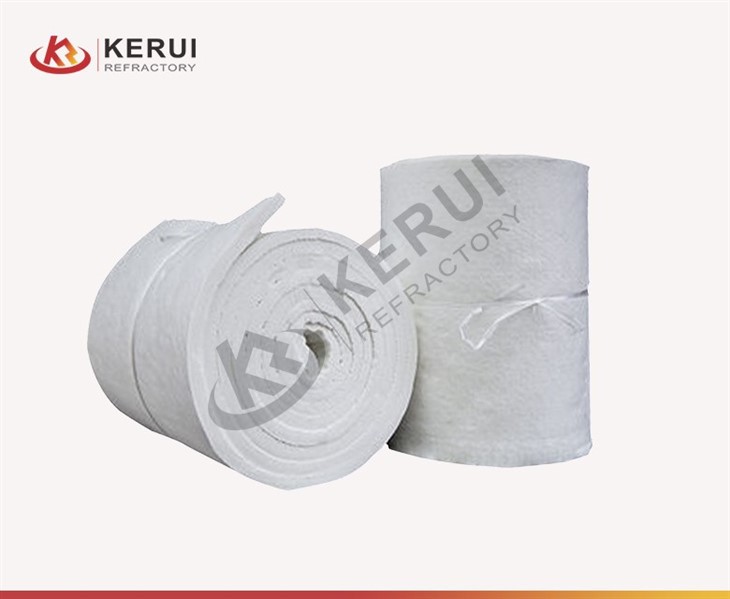

Another thing is the thermal conductivity. Ceramic Fiber Modules have a much lower thermal conductivity than fiberglass. This means they're better at keeping heat in and preventing heat loss. In an industrial furnace, for example, using Ceramic Fiber Modules can lead to significant energy savings over time.
Comparison with Mineral Wool Insulation
Mineral wool insulation is also a well - known option. It's made from natural minerals like basalt and is known for its fire - resistance and sound - absorption properties.
However, similar to fiberglass, mineral wool has a lower temperature limit compared to Ceramic Fiber Modules. Mineral wool can typically handle temperatures up to around 1200 - 1400°F (649 - 760°C). So, if you need insulation for a high - temperature process, it's not the best choice.
In terms of installation, Ceramic Fiber Modules are a breeze. They come pre - fabricated in modules, which means they can be easily installed on the walls and roofs of furnaces and other equipment. Mineral wool, on the other hand, often requires more complex installation procedures, which can add to the overall cost and time of a project.
Comparison with Refractory Ceramic Fiber Blanket
Refractory Ceramic Fiber Blankets are also part of the ceramic fiber family, but they have some differences compared to Ceramic Fiber Modules.
The main difference lies in the form. Refractory Ceramic Fiber Blankets are in a blanket form, while Ceramic Fiber Modules are pre - formed and compressed. This makes Ceramic Fiber Modules more rigid and easier to install in large - scale industrial applications. They can be installed more quickly and with less waste.
In terms of performance, both materials can handle high temperatures well. But Ceramic Fiber Modules may offer better insulation in some cases because of their compressed structure, which reduces air gaps and improves heat - retention capabilities.
Comparison with High Temperature Ceramic Fiberboard
High Temperature Ceramic Fiberboards are another option for high - temperature insulation. They're made by compressing ceramic fibers into a board form.
Ceramic Fiber Modules are more flexible than Ceramic Fiberboards. Modules can be easily cut and shaped on - site to fit different equipment and structures. Fiberboards, on the other hand, are more rigid and may require more precise cutting and fitting.
In terms of insulation efficiency, both are good at high - temperature insulation. But Ceramic Fiber Modules may be more suitable for applications where there are irregular shapes or where quick installation is needed.
Advantages of Ceramic Fiber Modules
One of the biggest advantages of Ceramic Fiber Modules is their high - temperature resistance. As I mentioned earlier, they can handle extremely high temperatures without breaking down, which makes them ideal for industrial furnaces, heat treatment equipment, and other high - heat applications.
They're also lightweight. This not only makes them easier to handle during installation but also reduces the overall weight of the equipment or structure they're installed in. This can be a big plus, especially in industries where weight is a concern.
Another advantage is the low thermal conductivity. This means they're great at reducing heat transfer, which can lead to energy savings and better temperature control in industrial processes.
Disadvantages of Ceramic Fiber Modules
Of course, no insulation material is perfect. One of the drawbacks of Ceramic Fiber Modules is the cost. They're generally more expensive than some other insulation materials like fiberglass or mineral wool. However, when you consider the long - term energy savings and the durability in high - temperature environments, the cost can be justified.
Another thing is that Ceramic Fiber Modules need to be handled with care during installation. The fibers can be irritating to the skin, eyes, and respiratory system. So, proper safety precautions need to be taken, such as wearing protective clothing, gloves, and masks.
Conclusion
So, in conclusion, Ceramic Fiber Modules have a lot going for them, especially when it comes to high - temperature applications. They outperform many other insulation materials in terms of temperature resistance, thermal conductivity, and ease of installation.
If you're in the market for high - temperature insulation and are looking for a reliable and efficient solution, Ceramic Fiber Modules are definitely worth considering. Whether you're in the manufacturing, metalworking, or any other industry that requires high - heat insulation, I'd be more than happy to help you find the right Ceramic Fiber Modules for your needs.
If you're interested in learning more or want to start a procurement discussion, just reach out. We can talk about your specific requirements, get you a quote, and figure out the best solution for your project.
References
- Industrial Insulation Handbook: Principles and Practice.
- Thermal Insulation Materials: Properties and Applications.


