

Hey there! I'm a supplier of Ceramic Fiber Boards, and I've seen firsthand how crucial it is to pick the right type for different applications. In this blog, I'll share some tips on making that choice, so you can get the most out of your ceramic fiber board.
Understanding Ceramic Fiber Boards
First off, let's talk a bit about what ceramic fiber boards are. They're made from ceramic fibers that are compressed and bonded together to form a rigid board. These boards are known for their excellent thermal insulation properties, low thermal conductivity, and high-temperature resistance. They're used in a wide range of industries, from manufacturing to aerospace, because they can handle extreme heat and protect equipment and structures.
Factors to Consider When Choosing a Ceramic Fiber Board
When you're in the market for a ceramic fiber board, there are several factors you need to think about. Let's break them down one by one.
Temperature Resistance
The most important factor is the temperature the board will be exposed to. Different types of ceramic fiber boards have different maximum temperature ratings. For example, some can handle temperatures up to 1200°C, while others can go as high as 1600°C. If you're using the board in a furnace or a high-temperature process, you'll need to choose one with a high enough temperature rating. Otherwise, the board could break down or lose its insulation properties, which could lead to problems with your equipment or process.
Density
The density of the ceramic fiber board also matters. A higher density board is generally more rigid and stronger, but it may also have a higher thermal conductivity. On the other hand, a lower density board is more flexible and has better insulation properties, but it may not be as strong. You'll need to consider the application and the amount of stress the board will be under when choosing the density. For example, if you're using the board as a lining for a furnace, you may want a higher density board to withstand the mechanical stress. But if you're using it for insulation in a less demanding application, a lower density board may be sufficient.
Chemical Resistance
In some applications, the ceramic fiber board may be exposed to chemicals. You'll need to choose a board that is resistant to the specific chemicals it will come into contact with. Some boards are more resistant to acidic chemicals, while others are better at withstanding alkaline chemicals. If you're not sure which type of board to choose, you can consult with a chemical engineer or a materials expert.

Thickness
The thickness of the board is another important consideration. A thicker board will generally provide better insulation, but it may also be more expensive and heavier. You'll need to balance the need for insulation with the cost and weight requirements of your application. For example, if you're using the board in a portable heater, you may want a thinner board to keep the weight down. But if you're using it in a large industrial furnace, a thicker board may be necessary for better insulation.
Types of Ceramic Fiber Boards for Different Applications
Now that we've covered the factors to consider, let's look at some specific types of ceramic fiber boards and their applications.
Refractory Ceramic Fiber Blanket
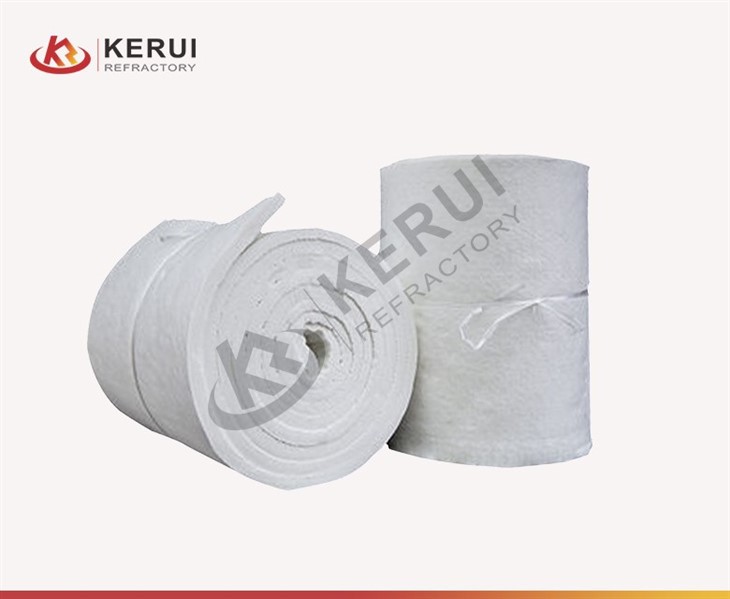
This type of ceramic fiber board is made from a flexible blanket of ceramic fibers. It's commonly used for insulation in applications where flexibility is required, such as around pipes, ducts, and boilers. The blanket can be easily cut and shaped to fit the specific application, and it provides excellent thermal insulation. It's also relatively lightweight and easy to install.
High Temperature Ceramic Fiberboard
As the name suggests, this type of board is designed to withstand high temperatures. It's typically used in applications such as furnaces, kilns, and incinerators. The board is made from high-quality ceramic fibers that are compressed and bonded together to form a rigid structure. It has a high temperature rating and excellent thermal insulation properties, making it ideal for high-temperature applications.
Low Thermal Conductivity Ceramic Fiber Board
This type of board is designed to have a low thermal conductivity, which means it can prevent heat transfer more effectively. It's commonly used in applications where energy efficiency is a priority, such as in building insulation and industrial heat exchangers. The board can help reduce energy consumption and lower heating and cooling costs.
How to Choose the Right Type of Ceramic Fiber Board
Now that you know about the different types of ceramic fiber boards and their applications, how do you choose the right one? Here are some steps you can follow.
Step 1: Identify the Application
The first step is to identify the specific application where you'll be using the ceramic fiber board. Consider the temperature, chemical exposure, mechanical stress, and other factors that we discussed earlier. This will help you narrow down the options and choose a board that is suitable for your application.
Step 2: Research the Available Options
Once you've identified the application, research the different types of ceramic fiber boards that are available. Look at the specifications, features, and prices of each type. You can also read customer reviews and testimonials to get an idea of how well the boards perform in real-world applications.
Step 3: Consult with an Expert
If you're still not sure which type of board to choose, you can consult with an expert. This could be a sales representative from a ceramic fiber board supplier, a materials engineer, or a thermal insulation specialist. They can provide you with more information and guidance based on your specific needs and requirements.
Step 4: Request Samples
Before making a final decision, it's a good idea to request samples of the ceramic fiber boards you're considering. This will allow you to test the boards in your application and see how they perform. You can also compare the samples side by side to see which one meets your requirements the best.
Conclusion
Choosing the right type of ceramic fiber board for different applications is crucial for ensuring the performance and longevity of your equipment and processes. By considering the factors we discussed, such as temperature resistance, density, chemical resistance, and thickness, and by choosing the appropriate type of board for your specific application, you can get the most out of your ceramic fiber board.
If you're interested in purchasing ceramic fiber boards or have any questions about which type is right for your application, feel free to reach out. I'm here to help you make the best choice for your needs.
References
- Ceramic Fiber Technology Handbook
- Thermal Insulation Materials: Properties and Applications
- Journal of Materials Science and Engineering


