

Hey there! I'm a supplier of acid proof bricks, and today I wanna chat about how to store these bricks properly. Acid proof bricks are super important in many industries, like chemical processing, where they're used to line equipment and structures to resist the corrosive effects of acids. So, getting the storage right is crucial to make sure these bricks stay in top - notch condition until they're ready to be used.
1. Choose the Right Location
First things first, you gotta pick the right spot to store your acid proof bricks. The location should be dry and well - ventilated. Moisture is the enemy here because it can cause the bricks to deteriorate over time. If the bricks absorb too much moisture, they might crack or lose their acid - resistant properties.
I once had a customer who stored their bricks in a damp basement. When they finally went to use them, they noticed that many of the bricks had developed small cracks and were no longer as effective at resisting acid. It was a real headache for them and cost them extra money to replace the damaged bricks.
So, find a place that's protected from the elements. A warehouse is usually a great option. Make sure it has a solid roof to keep out rain and snow, and good ventilation to prevent the build - up of humidity. If you don't have a warehouse, you could also use a covered storage area with a waterproof tarp. Just make sure the tarp is secure and doesn't let any water seep through.
2. Prepare the Storage Surface
The surface where you place the acid proof bricks matters a lot. It should be flat and stable. Uneven surfaces can cause the bricks to shift and break. You don't want to end up with a pile of broken bricks because the storage surface was wobbly.
I recommend using a concrete or asphalt surface. These are hard and stable, and they can support the weight of the bricks without sinking or cracking. If you don't have a concrete or asphalt surface, you can lay down a layer of wooden pallets. The pallets will distribute the weight of the bricks evenly and provide a stable base.
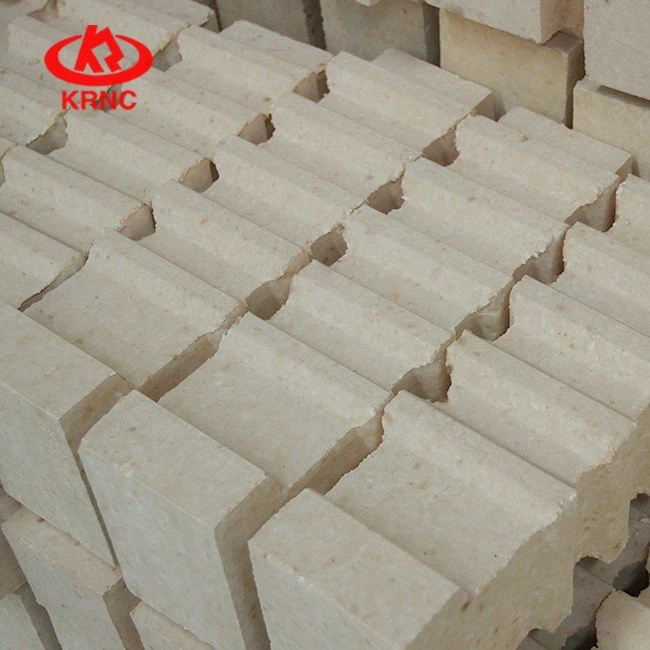
When you're stacking the bricks on the pallets, make sure they're arranged neatly. Stack them in rows and columns, and try to keep the stacks as straight as possible. This will not only make the storage more organized but also reduce the risk of the bricks falling over.
3. Stacking the Bricks
Proper stacking is key to storing acid proof bricks. You don't want to stack them too high because they might topple over. A good rule of thumb is to keep the stacks no more than 6 feet high. This will make the stacks more stable and easier to manage.
When you're stacking the bricks, you can use different patterns. One common pattern is the running bond pattern, where each brick is centered over the joint of the two bricks below it. This pattern provides good stability and helps distribute the weight evenly. Another pattern is the stack bond pattern, where the bricks are stacked directly on top of each other. This pattern is simpler but may not be as stable as the running bond pattern.
Also, make sure there's enough space between the stacks. This will allow for good air circulation and make it easier to access the bricks when you need them. A gap of at least 12 inches between stacks is usually a good idea.
4. Protecting the Bricks from Contamination
Acid proof bricks need to be protected from contamination. You don't want any dirt, chemicals, or other foreign substances to get on the bricks because they can affect the bricks' performance.
When you're handling the bricks, make sure your hands are clean. Use gloves if necessary. Also, keep the storage area clean. Sweep up any dirt or debris regularly. If there are any spills in the storage area, clean them up immediately.
If you're storing the bricks near other materials, make sure they're compatible. Some chemicals or substances might react with the acid proof bricks and cause damage. For example, don't store the bricks near strong alkalis because they can neutralize the acid - resistant properties of the bricks.
5. Monitoring the Storage Conditions
Once you've stored the acid proof bricks, you can't just forget about them. You need to monitor the storage conditions regularly. Check the temperature and humidity levels in the storage area. You can use a thermometer and a hygrometer to do this.
The ideal temperature for storing acid proof bricks is between 50°F and 80°F. If the temperature gets too high or too low, it can affect the bricks' properties. High temperatures can cause the bricks to expand and crack, while low temperatures can make them brittle.
The humidity level should be kept below 60%. If the humidity is too high, you might need to use a dehumidifier to reduce it. Also, check the bricks themselves regularly. Look for any signs of damage, such as cracks, chips, or discoloration. If you notice any problems, take action immediately to prevent further damage.
6. Additional Considerations for Special Types of Bricks
If you're dealing with special types of acid proof bricks, like Refractory Runner Brick, Refractory Anchoring Bricks, or Andalusite Brick, there might be some additional storage requirements.
Refractory Runner Bricks are often used in high - temperature applications. They need to be stored in a dry environment to prevent moisture from affecting their refractory properties. Make sure the storage area is well - insulated to maintain a stable temperature.
Refractory Anchoring Bricks are used to anchor other refractory materials. They should be stored in a way that protects their anchoring features. Don't stack them in a way that could damage the anchoring parts.
Andalusite Bricks have unique properties due to the andalusite mineral they contain. They need to be stored away from sources of heat and direct sunlight because these can cause the andalusite to transform and change the bricks' properties.
In conclusion, storing acid proof bricks properly is not that complicated, but it does require some attention to detail. By following these tips, you can make sure your acid proof bricks stay in good condition until you're ready to use them.
If you're in the market for high - quality acid proof bricks, I'd love to chat with you. Whether you're a small business or a large industrial company, I can provide you with the right bricks for your needs. Feel free to reach out to me to discuss your requirements and start a procurement negotiation.

References
- ASTM International. Standard specifications for acid - resistant clay and silica brick.
- Various industry manuals on refractory and acid - proof materials storage.


