

Hey there! As a supplier of Ceramic Fiber Board, I've seen firsthand how crucial it is to test the quality of these boards on - site. In this blog, I'm gonna share some practical ways to do just that.
1. Visual Inspection
The first step in on - site quality testing is a simple visual inspection. You don't need any fancy equipment for this. Just take a good look at the ceramic fiber board.
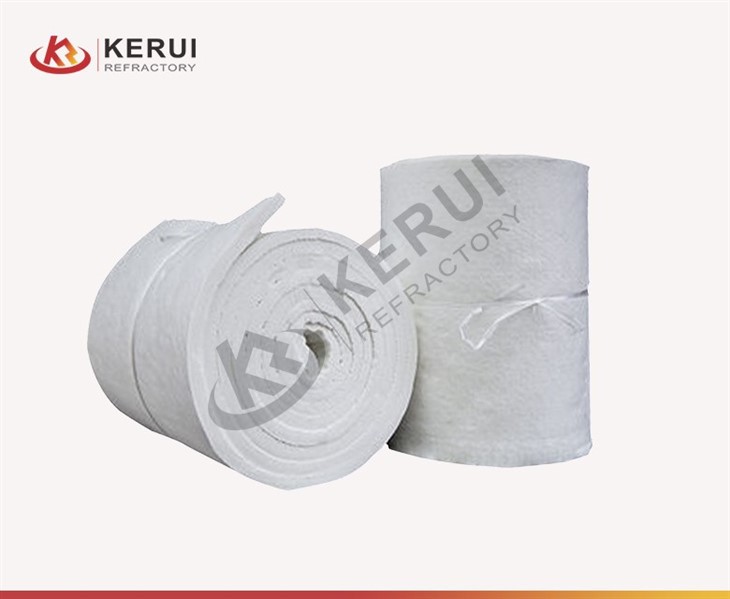

Check for any visible cracks or breaks on the surface. Cracks can significantly reduce the board's insulation performance and structural integrity. A cracked board might not be able to withstand high temperatures or mechanical stress as well as an intact one.
Also, look at the color of the board. A uniform color usually indicates a consistent manufacturing process. Any discoloration could be a sign of uneven heating during production or exposure to contaminants. For instance, if there are brownish or blackish spots, it might suggest that the board has been over - heated in some areas.
2. Density Measurement
Density is an important parameter for ceramic fiber boards. It affects the board's insulation properties, strength, and durability.
To measure the density on - site, you'll need a simple scale and a ruler. First, cut a small sample from the board. Make sure the sample is representative of the whole board. Measure the length, width, and height of the sample with the ruler and calculate its volume (Volume = Length x Width x Height).
Then, weigh the sample using the scale. The density is calculated by dividing the mass of the sample by its volume (Density = Mass/Volume). Compare the measured density with the specifications provided by the manufacturer. If the density is too low, the board might be too porous and have poor insulation and strength. If it's too high, it could be more brittle and less flexible.
3. Thermal Conductivity Test
Thermal conductivity is a key property of ceramic fiber boards as they are mainly used for insulation. Although a precise thermal conductivity test usually requires specialized equipment, there's a simple on - site test you can do.
Prepare two identical containers, one filled with hot water and the other with cold water. Place a piece of the ceramic fiber board between the two containers. After a certain period (say, 10 - 15 minutes), measure the temperature change in both containers. A good quality ceramic fiber board should minimize the heat transfer between the hot and cold containers.
If the temperature of the cold water rises significantly or the temperature of the hot water drops a lot, it indicates that the board has a relatively high thermal conductivity and might not be a good insulator. You can compare the results with a known high - quality board for a more accurate assessment.
4. Compression Test
Ceramic fiber boards need to withstand a certain amount of compression without losing their shape and performance. To conduct a simple compression test on - site, you can use a weight.
Place the board on a flat and hard surface. Gradually place weights on top of the board. Start with a small weight and increase it step by step. Observe how the board deforms under the load.
A high - quality board should be able to withstand a reasonable amount of compression without cracking or breaking. If the board starts to crumble or lose its shape easily under a relatively light load, it might not be suitable for applications where it will be subjected to pressure.
5. Chemical Resistance Test
In some industrial applications, ceramic fiber boards may come into contact with various chemicals. To test the chemical resistance on - site, you can use a few common chemicals.
Prepare small samples of the board and soak them in different chemicals such as acids (e.g., diluted hydrochloric acid) and alkalis (e.g., diluted sodium hydroxide) for a short period (say, 24 hours). After that, take out the samples and rinse them with water.
Check for any visible changes such as discoloration, swelling, or erosion. A good quality board should show minimal reaction to these chemicals. If the board is severely damaged after the chemical test, it might not be suitable for environments where it will be exposed to chemicals.
Importance of On - Site Testing
On - site testing is crucial because it allows you to verify the quality of the ceramic fiber board in real - world conditions. Sometimes, the boards might get damaged during transportation or storage, and on - site testing can help you identify these issues before installation.
By conducting these simple on - site tests, you can ensure that the ceramic fiber board meets your requirements and will perform well in your application. Whether you're using it for High Temperature Ceramic Fiberboard applications or in combination with Refractory Ceramic Fiber Blanket, proper quality testing is essential.
Conclusion
Testing the quality of ceramic fiber boards on - site is not as complicated as it might seem. With a few simple tools and some basic knowledge, you can quickly assess the quality of the boards. Remember, a high - quality ceramic fiber board will provide better insulation, durability, and performance in your industrial or commercial applications.
If you're interested in purchasing high - quality ceramic fiber boards, I'd love to have a chat with you. Feel free to reach out for more information and let's discuss how we can meet your specific needs.
References
- Ceramic Fiber Board Manufacturing Handbook
- Industrial Insulation Materials: Properties and Applications


