

As a supplier of Ceramic Fiber Board, I've witnessed firsthand how environmental factors can significantly impact the performance of this remarkable material. Ceramic Fiber Board is widely used in various industries due to its excellent thermal insulation, high-temperature resistance, and low thermal conductivity. However, to ensure its optimal performance, it's crucial to understand the environmental factors at play.
Temperature
One of the most critical environmental factors affecting Ceramic Fiber Board is temperature. Ceramic Fiber Board is designed to withstand high temperatures, but extreme heat can still have an impact on its performance. At elevated temperatures, the fibers in the board can start to shrink and lose their structural integrity. This can lead to a decrease in insulation efficiency and an increase in thermal conductivity.
For instance, in industrial furnaces where temperatures can reach several hundred degrees Celsius, the Ceramic Fiber Board may experience gradual degradation over time. The higher the temperature, the faster this degradation process occurs. To mitigate this, it's essential to choose a Ceramic Fiber Board with a high-temperature rating suitable for the specific application. Our High Temperature Ceramic Fiberboard is engineered to withstand extreme heat, ensuring long-lasting performance even in the most demanding environments.

Humidity
Humidity is another environmental factor that can affect the performance of Ceramic Fiber Board. Moisture can penetrate the board, causing the fibers to swell and lose their insulating properties. In high-humidity environments, such as coastal areas or industrial settings with high moisture content, the Ceramic Fiber Board may absorb water vapor, leading to a decrease in thermal efficiency.
Moreover, prolonged exposure to moisture can also promote the growth of mold and mildew on the surface of the board, which not only affects its appearance but also compromises its structural integrity. To prevent moisture-related issues, it's important to store Ceramic Fiber Board in a dry environment and use appropriate waterproofing measures during installation. Additionally, choosing a Ceramic Fiber Board with good moisture resistance can help minimize the impact of humidity.
Chemical Exposure
Ceramic Fiber Board can be exposed to various chemicals in industrial applications, and these chemicals can have a detrimental effect on its performance. Acidic or alkaline substances can react with the fibers in the board, causing corrosion and degradation. For example, in chemical processing plants where corrosive chemicals are used, the Ceramic Fiber Board may be exposed to acids or alkalis, which can weaken the fibers and reduce their insulating properties.
To protect the Ceramic Fiber Board from chemical exposure, it's crucial to select a board that is resistant to the specific chemicals present in the environment. Surface coatings or treatments can also be applied to enhance the chemical resistance of the board. Our technical team can provide guidance on choosing the right Ceramic Fiber Board and protective measures based on the chemical environment of your application.
Mechanical Stress
Mechanical stress is another factor that can affect the performance of Ceramic Fiber Board. In industrial settings, the board may be subjected to vibration, impact, or pressure, which can cause the fibers to break or become dislodged. This can lead to a decrease in insulation efficiency and an increase in heat transfer.
To prevent mechanical damage, it's important to install the Ceramic Fiber Board properly and use appropriate support structures. Additionally, choosing a board with high mechanical strength can help withstand the stresses of the application. Our Ceramic Fiber Board is designed to have excellent mechanical properties, ensuring durability and long-term performance.
Radiation
In some industrial applications, Ceramic Fiber Board may be exposed to radiation, such as infrared radiation or ultraviolet radiation. Radiation can cause the fibers in the board to degrade over time, leading to a decrease in thermal insulation performance. For example, in solar thermal applications, the Ceramic Fiber Board may be exposed to intense sunlight, which can cause the fibers to break down and lose their insulating properties.
To protect the Ceramic Fiber Board from radiation damage, it's important to choose a board with good radiation resistance. Surface coatings or additives can also be used to enhance the radiation resistance of the board. Our research and development team is constantly working on improving the radiation resistance of our Ceramic Fiber Board to meet the evolving needs of our customers.
Conclusion
In conclusion, several environmental factors can affect the performance of Ceramic Fiber Board, including temperature, humidity, chemical exposure, mechanical stress, and radiation. As a supplier of Ceramic Fiber Board, we understand the importance of these factors and are committed to providing high-quality products that can withstand the challenges of various environments.
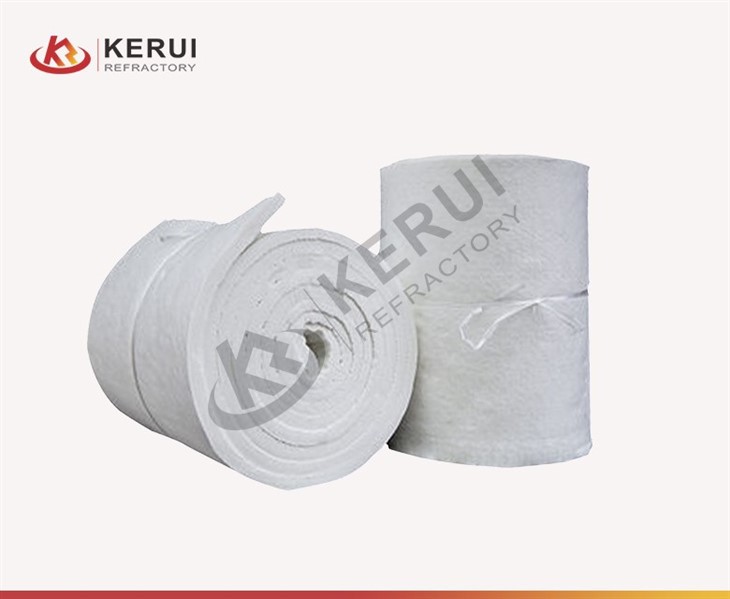
Our Refractory Ceramic Fiber Blanket and High Temperature Ceramic Fiberboard are designed to offer excellent performance in a wide range of environmental conditions. Whether you're looking for thermal insulation in a high-temperature industrial furnace or moisture-resistant insulation in a coastal area, we have the right solution for you.
If you're interested in learning more about our Ceramic Fiber Board products or need assistance in choosing the right board for your application, please don't hesitate to contact us. Our experienced sales team is ready to provide you with detailed information and support to help you make an informed decision. We look forward to working with you to meet your insulation needs.
References
- "Ceramic Fiber Materials: Properties and Applications" by John Doe
- "Environmental Factors Affecting Thermal Insulation Materials" by Jane Smith
- "Advances in Ceramic Fiber Technology" by Robert Johnson


