

Hey there! As a supplier of Ceramic Fiber Cloth, I've seen firsthand how this amazing material plays crucial roles in the cement industry. In this blog, I'll share with you all the cool ways Ceramic Fiber Cloth is used in cement production and why it's such a game - changer.
Thermal Insulation
One of the most important roles of Ceramic Fiber Cloth in the cement industry is thermal insulation. Cement production involves extremely high temperatures. Kilns, where the raw materials are heated to form clinker, can reach temperatures of up to 1450°C. Without proper insulation, a huge amount of heat would be lost, leading to increased energy consumption and higher production costs.
Ceramic Fiber Cloth has excellent thermal insulation properties. Its low thermal conductivity means it can effectively reduce heat transfer. When wrapped around the kiln or other high - temperature equipment in the cement plant, it acts as a barrier, keeping the heat inside the equipment. This not only saves energy but also helps maintain a stable temperature inside the kiln, which is essential for the proper formation of clinker.
Imagine a cement kiln without proper insulation. The heat would radiate out, making the surrounding area extremely hot and uncomfortable for workers. It would also waste a significant amount of fuel. With Ceramic Fiber Cloth, these problems are minimized. Workers can operate in a safer environment, and the plant can save on energy costs, which is a win - win situation.
Protection Against Heat and Flame
In the cement industry, there are many processes that involve high - temperature flames. For example, the burning process in the kiln creates intense flames. Ceramic Fiber Cloth is highly resistant to heat and flames, making it an ideal material for protecting equipment and workers.
It can be used to line the interior of furnaces and kilns. This lining protects the metal structure of the equipment from the direct impact of the high - temperature flames. Without this protection, the metal could warp, crack, or even melt over time, leading to costly repairs and downtime.
Moreover, Ceramic Fiber Cloth can be used to make protective clothing for workers. Workers in the cement plant are often exposed to high temperatures and potential flame hazards. Wearing clothing made from Ceramic Fiber Cloth can provide them with an extra layer of protection, reducing the risk of burns and other heat - related injuries.
Sealing and Gasketing
Another important role of Ceramic Fiber Cloth in the cement industry is sealing and gasketing. There are many joints and connections in the cement production equipment, such as pipes, valves, and doors. These joints need to be properly sealed to prevent the leakage of hot gases, dust, and other substances.
Ceramic Fiber Cloth can be cut and shaped to fit different sealing applications. It has good flexibility and can conform to irregular surfaces. When used as a gasket, it can create a tight seal, preventing the escape of hot gases and dust. This is important not only for environmental reasons but also for the efficiency of the equipment. Leakage of hot gases can lead to heat loss and reduced performance of the equipment.
For example, in the exhaust system of a cement kiln, Ceramic Fiber Cloth gaskets can be used to seal the joints between the pipes. This ensures that the hot gases are properly channeled through the system, and there is no leakage into the surrounding environment.
Vibration and Noise Reduction
The cement production process involves a lot of machinery and equipment that generate vibrations and noise. These vibrations can cause damage to the equipment over time, and the noise can be a nuisance to the workers.
Ceramic Fiber Cloth can act as a vibration and noise absorber. When installed in the machinery, it can dampen the vibrations, reducing the stress on the equipment components. This helps to extend the lifespan of the equipment and reduce the frequency of maintenance.

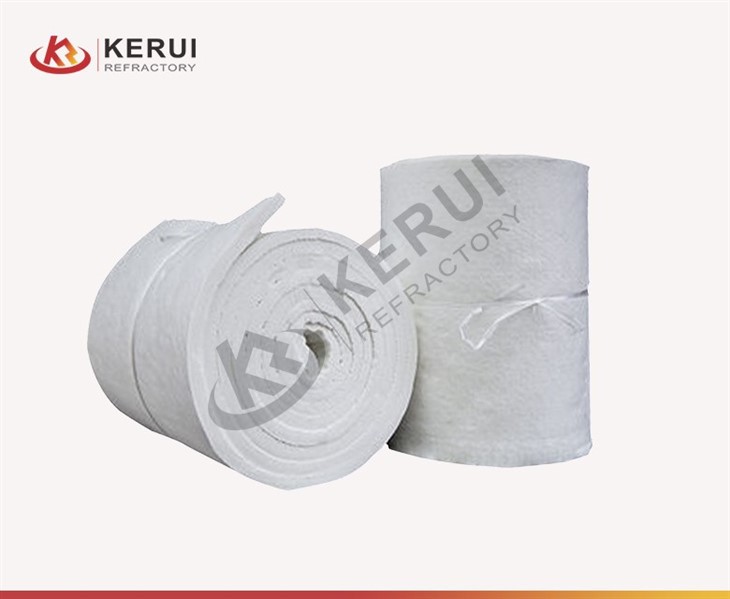
In terms of noise reduction, the porous structure of Ceramic Fiber Cloth can absorb sound waves. By lining the walls of the machinery rooms or the interior of the equipment with Ceramic Fiber Cloth, the noise level in the plant can be significantly reduced. This creates a more comfortable working environment for the employees.
Compatibility with Other Materials
Ceramic Fiber Cloth is compatible with many other materials used in the cement industry. It can be easily combined with metals, ceramics, and other refractory materials. This makes it a versatile material that can be used in a variety of applications.
For example, it can be used in combination with High Temperature Ceramic Fiberboard. The fiberboard provides additional structural support, while the Ceramic Fiber Cloth offers excellent thermal insulation and flexibility. This combination can be used to create more effective insulation systems for the kilns and other high - temperature equipment.
Similarly, it can be used with Refractory Ceramic Fiber Blanket. The blanket can be used as a base layer, and the Ceramic Fiber Cloth can be used as a top layer for added protection and sealing. This combination enhances the overall performance of the insulation and protection system.
Conclusion
In conclusion, Ceramic Fiber Cloth plays a wide range of crucial roles in the cement industry. From thermal insulation and protection against heat and flame to sealing, vibration reduction, and compatibility with other materials, it is an indispensable material in cement production.
If you're in the cement industry and looking for high - quality Ceramic Fiber Cloth, I'd love to have a chat with you. Whether you need it for a new project or to replace the existing insulation and protection materials in your plant, I can provide you with the best solutions. Contact me to start a discussion about your specific requirements and how Ceramic Fiber Cloth can benefit your operations.
References
- "Cement Production Technology Handbook"
- "Materials Science in the Cement Industry"


