

Hey there! As a supplier of Ceramic Fiber Modules, I often get asked about the color of these nifty products. So, I thought I'd sit down and write a blog post to clear up any confusion.
First off, let's talk a bit about what Ceramic Fiber Modules are. They're made from ceramic fibers, which are super lightweight and have excellent insulation properties. These modules are used in a wide range of industries, from steelmaking to glass manufacturing, to help keep things cool (or hot, depending on the application).
Now, onto the color. The most common color of Ceramic Fiber Modules is white. This white color comes from the raw materials used in their production. The ceramic fibers are typically made from alumina and silica, and when they're processed into modules, they end up with that characteristic white hue.
The white color isn't just for show, though. It actually has some practical benefits. For one, it makes it easier to spot any impurities or defects in the modules. If there are any discolorations or dark spots, it could indicate that there's something wrong with the manufacturing process or the quality of the raw materials.
Another reason for the white color is that it reflects heat better than darker colors. In high-temperature applications, this can be a huge advantage. By reflecting heat, the Ceramic Fiber Modules can help reduce energy consumption and improve the efficiency of the equipment they're used in.
But white isn't the only color you might see when it comes to Ceramic Fiber Modules. Sometimes, you might come across modules that have a slightly off - white or cream color. This can happen due to a few different factors.
One factor could be the source of the raw materials. Different suppliers of alumina and silica might have slightly different impurities or chemical compositions, which can affect the final color of the modules. Also, the manufacturing process can play a role. If the fibers are exposed to certain chemicals or heat treatments during production, it can cause a slight change in color.
In some cases, you might even see Ceramic Fiber Modules that have been dyed or coated with a different color. This is usually done for specific applications or for aesthetic reasons. For example, if a company wants its equipment to have a certain color scheme, they might request dyed Ceramic Fiber Modules.
Now, let's talk about how the color of Ceramic Fiber Modules relates to their performance. The color itself doesn't really have a direct impact on the insulation properties of the modules. Whether they're pure white, off - white, or even a different color, the key factors that determine their performance are things like density, fiber diameter, and chemical composition.

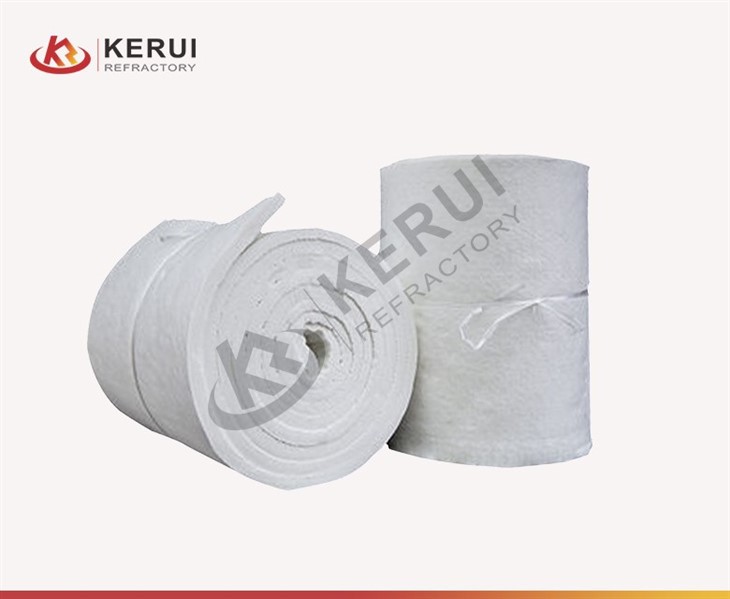
However, as I mentioned earlier, the white color can indirectly affect performance by reflecting heat. And if there are significant color changes that indicate impurities or defects, it could potentially lead to a decrease in performance. So, it's always a good idea to keep an eye on the color and quality of the modules you're using.
If you're in the market for Ceramic Fiber Modules, you might also be interested in some related products. Check out our Refractory Ceramic Fiber Blanket and High Temperature Ceramic Fiberboard. These products also offer great insulation properties and can be used in a variety of applications.
When it comes to choosing the right Ceramic Fiber Modules for your needs, it's important to consider not just the color, but also the specific requirements of your application. Think about things like the temperature range, the environment they'll be used in, and any other special considerations.
If you have any questions about the color or performance of our Ceramic Fiber Modules, or if you're interested in placing an order, don't hesitate to reach out. We're here to help you find the best solution for your insulation needs. Whether you're a small business or a large industrial operation, we've got the products and expertise to meet your requirements.
In conclusion, the color of Ceramic Fiber Modules is usually white, but it can vary slightly due to raw materials and manufacturing processes. While color doesn't directly impact performance, it can give you some clues about the quality of the modules. So, next time you're looking at Ceramic Fiber Modules, take a good look at their color and think about how it might fit into your overall insulation strategy.
References
- Ceramic Fiber Technology Handbook
- Industry Reports on High - Temperature Insulation Materials


