

The compressive strength of alumina bricks is a crucial property that determines their performance and suitability for various industrial applications. As a leading supplier of alumina bricks, I have witnessed firsthand the importance of understanding this characteristic. In this blog post, I will delve into the concept of compressive strength, its significance in the context of alumina bricks, and how it impacts the selection and use of these refractory materials.
What is Compressive Strength?
Compressive strength refers to the maximum amount of compressive stress a material can withstand before it fails or breaks. In the case of alumina bricks, it is a measure of their ability to resist being crushed under a load. This property is typically expressed in megapascals (MPa) or pounds per square inch (psi).
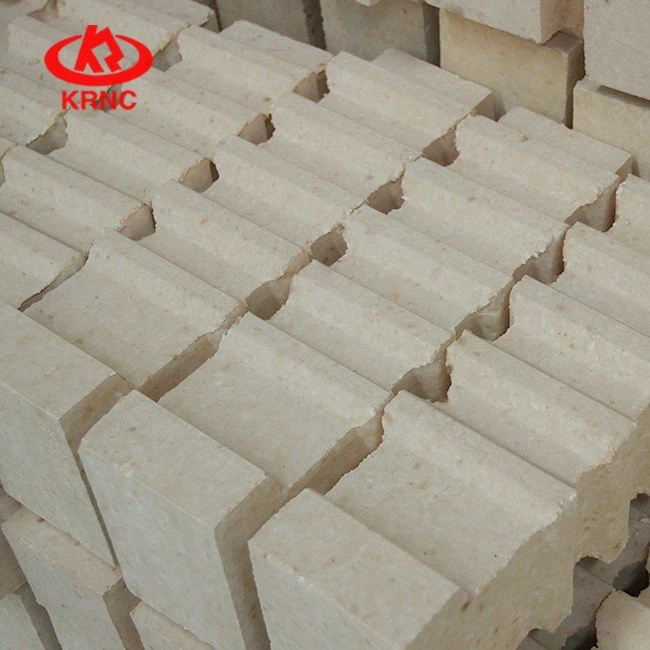

The compressive strength of a material is determined through a standardized test. A sample of the alumina brick is placed between two plates of a testing machine, and a gradually increasing load is applied until the brick fails. The maximum load the brick can withstand is then divided by the cross - sectional area of the sample to calculate the compressive strength.
Factors Affecting the Compressive Strength of Alumina Bricks
Several factors influence the compressive strength of alumina bricks.
Alumina Content
Alumina (Al₂O₃) is the primary component of alumina bricks. Generally, a higher alumina content leads to greater compressive strength. Bricks with a high percentage of alumina have a more dense and stable crystal structure, which can better resist compressive forces. For example, bricks with an alumina content of over 90% often exhibit very high compressive strengths, making them suitable for applications where high - load resistance is required.
Manufacturing Process
The manufacturing process plays a significant role in determining the compressive strength. Proper mixing of raw materials ensures a homogeneous distribution of components, which is essential for uniform strength. The forming method, such as pressing or extrusion, also affects the density and structure of the bricks. High - pressure pressing can produce bricks with a more compact structure, resulting in higher compressive strength. Firing is another critical step. Optimal firing temperature and time can promote the formation of strong bonds between particles, enhancing the overall strength of the bricks.
Porosity
Porosity is inversely related to compressive strength. Bricks with high porosity have more voids and are thus weaker under compression. The presence of pores reduces the cross - sectional area available to resist the load and can act as stress concentrators, where cracks may initiate and propagate more easily. Manufacturers strive to control porosity during the production process to achieve the desired balance between other properties (such as thermal insulation) and compressive strength.
Importance of Compressive Strength in Applications
The compressive strength of alumina bricks is of utmost importance in various industrial applications.
Furnace Linings
In furnaces, alumina bricks are used as linings to withstand high temperatures and mechanical stresses. The bricks need to support their own weight as well as the weight of any materials inside the furnace. High - compressive - strength bricks are essential to prevent deformation and failure of the lining, which could lead to heat loss, reduced furnace efficiency, and even safety hazards.
Steel Industry
In the steelmaking process, alumina bricks are used in ladles, tundishes, and other equipment. These bricks are subjected to the weight of molten steel and the mechanical forces associated with pouring and handling. A high compressive strength ensures that the bricks can maintain their integrity under these harsh conditions, providing long - term service and reducing the need for frequent replacements.
Cement Industry
In cement kilns, alumina bricks are used to line the kiln walls. The bricks must withstand the weight of the cement clinker and the mechanical vibrations during the kiln operation. Adequate compressive strength is necessary to prevent the bricks from cracking or crumbling, which could disrupt the production process and increase maintenance costs.
Types of Alumina Bricks and Their Compressive Strengths
There are different types of alumina bricks, each with its own range of compressive strengths.
Andalusite Brick
Andalusite bricks are a type of alumina - based refractory brick. They typically have a compressive strength in the range of 30 - 60 MPa. These bricks are known for their good thermal shock resistance and moderate compressive strength, making them suitable for applications where a combination of these properties is required, such as in some types of furnaces and kilns.
Refractory Runner Brick
Refractory runner bricks are used in the metal - casting process to guide the flow of molten metal. They usually have a relatively high compressive strength, often above 50 MPa. This high strength is necessary to withstand the impact and abrasion of the flowing molten metal.
Refractory Anchoring Bricks
Refractory anchoring bricks are used to secure the refractory lining in place. They need to have sufficient compressive strength to resist the forces that could cause them to dislodge. Their compressive strength can vary depending on the specific application, but it is generally in the range of 40 - 80 MPa.
Selecting the Right Alumina Bricks Based on Compressive Strength
When selecting alumina bricks for a particular application, it is essential to consider the required compressive strength. First, assess the load conditions in the application. Determine the maximum weight or pressure the bricks will be subjected to during normal operation. Then, compare this value with the compressive strength ratings of different types of alumina bricks.
It is also important to consider other factors in conjunction with compressive strength. For example, if thermal insulation is a priority, a brick with a slightly lower compressive strength but better insulating properties may be more suitable. Additionally, the chemical environment in which the bricks will be used can affect their performance, so compatibility with other substances should also be taken into account.
Conclusion
The compressive strength of alumina bricks is a key property that influences their performance and suitability for various industrial applications. As a supplier of alumina bricks, I understand the importance of providing high - quality products with the appropriate compressive strength for each customer's needs. Whether you are in the steel, cement, or other industries, choosing the right alumina bricks based on compressive strength and other relevant properties is crucial for the success of your operations.
If you are interested in purchasing alumina bricks or have any questions about their compressive strength and other properties, please feel free to contact us for a detailed discussion. We are committed to providing you with the best solutions for your refractory needs.
References
- ASTM C133 - 18, Standard Test Method for Compressive Strength of Refractory Brick and Shapes at Ambient Temperature.
- Reed, J. S. (1995). Principles of Ceramic Processing. Wiley - Interscience.
- Schneider, H., Schwotzer, W., & Telle, R. (2004). Refractories Handbook. Wiley - VCH.


