

Ceramic fiber rope is a versatile and high - performance refractory material widely used in various industrial applications. One of the key properties that make it highly sought - after is its creep resistance. In this blog, as a ceramic fiber rope supplier, I'll delve into what creep resistance of ceramic fiber rope is, why it matters, and how it impacts different industries.
Understanding Creep Resistance
Creep is the tendency of a material to deform slowly over time under a constant load and elevated temperatures. When a ceramic fiber rope is subjected to a continuous force and high - temperature conditions, it may gradually change its shape. Creep resistance, therefore, refers to the ability of the ceramic fiber rope to withstand this slow deformation.
The structure of ceramic fiber rope plays a crucial role in its creep resistance. Ceramic fibers are typically made from alumina, silica, or a combination of both. These fibers are intertwined to form a rope - like structure. The high - temperature stability of the ceramic materials and the way the fibers are arranged contribute to how well the rope can resist creep.
For instance, the high - purity alumina - silica fibers have a more stable crystal structure at high temperatures. When these fibers are densely packed and well - bonded in the rope, they can better distribute the applied load and resist the forces that cause creep.
Factors Affecting Creep Resistance
Temperature
Temperature is one of the most significant factors affecting the creep resistance of ceramic fiber rope. As the temperature rises, the atomic and molecular movement within the ceramic fibers increases. This enhanced movement makes it easier for the fibers to slide past each other, leading to more significant creep deformation.
Most ceramic fiber ropes are designed to operate within a specific temperature range. Beyond this range, the creep rate can increase exponentially. For example, a ceramic fiber rope that can maintain excellent creep resistance at 1000°C may experience a much higher creep rate at 1200°C.
Load
The magnitude of the load applied to the ceramic fiber rope also impacts its creep resistance. A higher load means more stress on the fibers, which can accelerate the creep process. Even at relatively low temperatures, a heavy load can cause the ceramic fiber rope to deform over time.
It's important for users to consider the actual load that the rope will be subjected to in their applications. If the load is too high, it may be necessary to choose a ceramic fiber rope with a higher density or a different fiber composition to improve its creep resistance.
Fiber Composition and Quality
The composition of the ceramic fibers used in the rope is a critical determinant of its creep resistance. Different fiber compositions have different crystal structures and thermal stabilities. For example, alumina - rich fibers generally have better high - temperature performance and creep resistance compared to silica - rich fibers.

The quality of the fibers also matters. High - quality fibers with fewer impurities and a more uniform structure are less likely to creep. Manufacturers often use advanced production processes to ensure the consistency and purity of the fibers, which can significantly enhance the creep resistance of the final ceramic fiber rope product.
Importance of Creep Resistance in Different Industries
Metallurgical Industry
In the metallurgical industry, ceramic fiber ropes are commonly used for sealing and insulation in furnaces and other high - temperature equipment. The creep resistance of these ropes is crucial because they are often exposed to high temperatures and mechanical stresses for extended periods.
For example, in a steelmaking furnace, the ceramic fiber rope used to seal the furnace door needs to maintain its shape and integrity over time. If the rope creeps significantly, it can lead to gaps in the seal, allowing heat to escape and reducing the energy efficiency of the furnace. This not only increases energy costs but also affects the quality of the steel production process.
Glass Industry
The glass industry also relies on ceramic fiber ropes with good creep resistance. In glass melting furnaces, the ropes are used for insulation around the furnace walls and ports. The high - temperature environment and the continuous operation of the furnaces require the ropes to resist creep to ensure long - term insulation performance.
If the ceramic fiber rope creeps and loses its shape, it can compromise the insulation, leading to uneven heating in the furnace. This can result in defects in the glass products, such as variations in thickness and optical properties.
Applications Benefiting from High Creep Resistance
Sealing Applications
In sealing applications, such as sealing the joints of high - temperature pipes or the doors of industrial ovens, a ceramic fiber rope with high creep resistance is essential. A well - sealed joint can prevent the leakage of hot gases or liquids, which is crucial for safety and energy efficiency.
The rope needs to maintain its shape and sealing performance over time, even under the influence of high temperatures and mechanical vibrations. High creep resistance ensures that the rope can continue to provide an effective seal, reducing the risk of leaks and improving the overall performance of the equipment.
Insulation in Electrical Equipment
Ceramic fiber ropes are also used for insulation in electrical equipment that operates at high temperatures, such as transformers and high - voltage switchgear. The creep resistance of the rope is important to maintain the insulation properties and prevent electrical short - circuits.
If the rope creeps and deforms, it may create gaps in the insulation, allowing electrical arcing or heat transfer. This can lead to equipment failure and pose a significant safety hazard.
Comparison with Other Refractory Materials
When compared to other refractory materials, ceramic fiber rope often has superior creep resistance, especially at high temperatures. Traditional refractory bricks, for example, may experience significant creep deformation under high - temperature and high - load conditions.
Ceramic fiber ropes, on the other hand, can maintain their shape and integrity better due to their unique fiber structure. Additionally, ceramic fiber ropes are more flexible and easier to install, making them a preferred choice in many applications where space is limited or where a custom - fit seal is required.
Our Ceramic Fiber Rope Offerings
As a ceramic fiber rope supplier, we offer a wide range of products with excellent creep resistance. Our ropes are made from high - quality ceramic fibers with carefully selected compositions to ensure optimal performance in different temperature and load conditions.
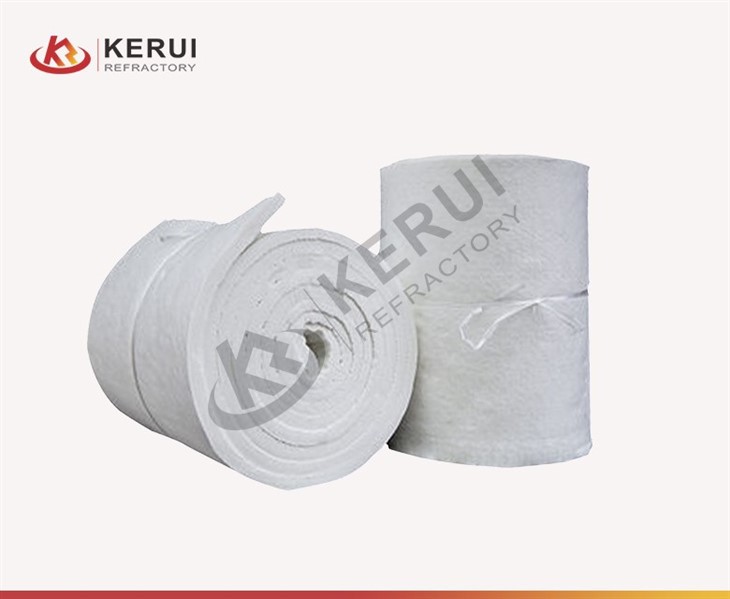
We also provide Refractory Ceramic Fiber Blanket and High Temperature Ceramic Fiberboard to meet the diverse needs of our customers. These products can be used in combination with our ceramic fiber ropes to provide comprehensive insulation and sealing solutions.
If you are looking for a reliable ceramic fiber rope with high creep resistance for your industrial applications, we are here to help. Our team of experts can provide you with detailed technical information and guidance on choosing the right product for your specific requirements. We are committed to providing high - quality products and excellent customer service. Contact us today to start a procurement discussion and find the best ceramic fiber rope solution for your business.
References
- Schneider, H. (2004). Refractories Handbook. Wiley - VCH Verlag GmbH & Co. KGaA.
- Richardson, I. M. (2003). High - Temperature Materials and Technology. Woodhead Publishing.
- Fitzer, E., & Gadow, R. (Eds.). (1992). Carbon Fibers, Filaments and Composites. Springer.


