

Hey there! As a supplier of Ceramic Fiber Paper, I often get asked about the gas permeability of this amazing product. So, let's dive right in and explore what gas permeability of ceramic fiber paper really means.
What is Gas Permeability?
First off, gas permeability is all about how easily gases can pass through a material. You can think of it like a filter. If a material has high gas permeability, gases can flow through it without much resistance. On the other hand, low gas permeability means gases have a tough time getting through.
For ceramic fiber paper, gas permeability is a crucial property. It affects how the paper performs in different applications. Whether it's in high - temperature industrial settings or other specialized uses, understanding gas permeability helps us make the most of this material.
Factors Affecting Gas Permeability of Ceramic Fiber Paper
There are several factors that can influence the gas permeability of ceramic fiber paper.
Fiber Structure
The way the ceramic fibers are arranged in the paper plays a big role. If the fibers are randomly oriented and have a lot of voids or gaps between them, gases can move through more easily. This results in higher gas permeability. However, if the fibers are tightly packed and well - aligned, it becomes more difficult for gases to pass through, leading to lower gas permeability.
Density of the Paper
The density of ceramic fiber paper is another important factor. A denser paper has less space for gases to move through. When we increase the density of the paper during the manufacturing process, we're essentially reducing the gaps between the fibers. As a result, the gas permeability decreases. Conversely, a less dense paper will have higher gas permeability.
Fiber Diameter
The diameter of the ceramic fibers also matters. Smaller diameter fibers tend to create a more tortuous path for gases. Gases have to wind their way through the tiny spaces between these thin fibers, which slows down their movement and reduces gas permeability. Larger diameter fibers, on the other hand, leave more room for gases to flow, increasing the gas permeability.
Measuring Gas Permeability
Measuring the gas permeability of ceramic fiber paper isn't as simple as it might sound. There are specialized testing methods used in the industry. One common method involves creating a controlled environment where a known pressure of gas is applied to one side of the paper. Then, the amount of gas that passes through the paper over a specific period of time is measured.
The results are usually expressed in units like cubic centimeters per square centimeter per second per millimeter of mercury pressure difference. These measurements help us understand how well the ceramic fiber paper will perform in real - world applications.
Applications and Gas Permeability
The gas permeability of ceramic fiber paper determines its suitability for different applications.

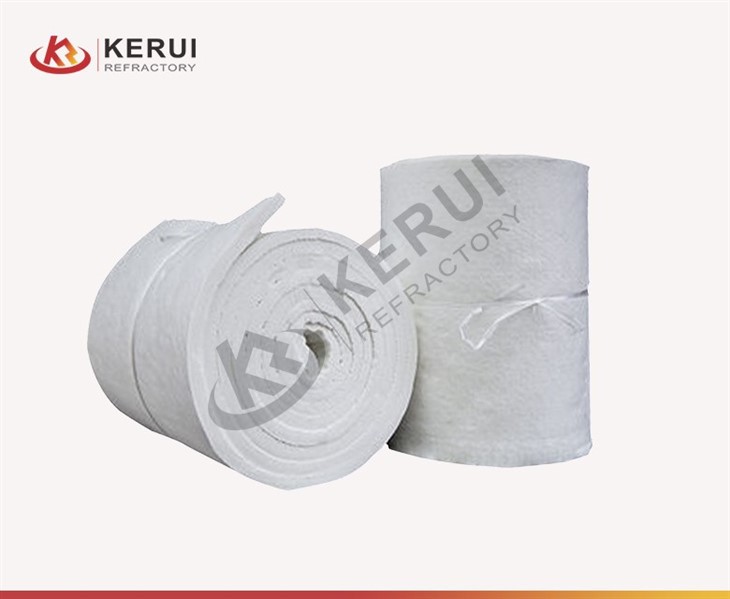
Insulation in High - Temperature Furnaces
In high - temperature furnaces, we often want to minimize the leakage of hot gases. A ceramic fiber paper with low gas permeability is ideal here. It acts as a barrier, preventing the hot gases from escaping and keeping the heat inside the furnace. This not only improves the energy efficiency of the furnace but also protects the surrounding environment from the high - temperature gases. You can check out our Refractory Ceramic Fiber Blanket which also offers great insulation properties.
Filtration Applications
On the flip side, in some filtration applications, we need a ceramic fiber paper with high gas permeability. For example, when filtering out solid particles from a gas stream, the paper needs to allow the gas to pass through quickly while capturing the particles. The high gas permeability ensures that the filtration process is efficient and doesn't cause a significant pressure drop in the system.
Sealing Applications
In sealing applications, the gas permeability requirements depend on the specific situation. If we're sealing a system where we want to prevent the entry of external gases, a low - permeability ceramic fiber paper is used. However, in some cases where a small amount of gas exchange is acceptable, a paper with moderate gas permeability might be suitable. Our High Temperature Ceramic Fiberboard can also be used in certain sealing applications.
Benefits of Controlling Gas Permeability
Controlling the gas permeability of ceramic fiber paper offers several benefits.
Energy Savings
As mentioned earlier, in high - temperature applications, using a ceramic fiber paper with the right gas permeability can lead to significant energy savings. By reducing the leakage of hot gases, less energy is needed to maintain the desired temperature in the furnace or other equipment.
Improved Product Performance
In filtration and sealing applications, proper control of gas permeability ensures that the product performs as expected. For filters, it means efficient particle removal without sacrificing the flow rate of the gas. For seals, it means effective prevention of gas leakage while still meeting the operational requirements of the system.
Longer Service Life
When the gas permeability is well - controlled, the ceramic fiber paper is less likely to be damaged by excessive gas flow or pressure differentials. This extends the service life of the paper, reducing the need for frequent replacements and saving costs in the long run.
How We Ensure Quality Gas Permeability
As a supplier of ceramic fiber paper, we take great care to ensure that our products have the desired gas permeability. During the manufacturing process, we closely monitor the fiber structure, density, and fiber diameter. We use advanced manufacturing techniques to achieve the right balance of these factors.
We also conduct rigorous testing on every batch of ceramic fiber paper. Our quality control team uses state - of - the - art equipment to measure the gas permeability accurately. This way, we can guarantee that our customers receive a product that meets their specific requirements.
Conclusion
In conclusion, the gas permeability of ceramic fiber paper is a complex but important property. It's influenced by factors like fiber structure, density, and fiber diameter. Understanding gas permeability helps us choose the right ceramic fiber paper for different applications, whether it's insulation, filtration, or sealing.
At our company, we're committed to providing high - quality ceramic fiber paper with precisely controlled gas permeability. If you're in the market for ceramic fiber paper and want to discuss your specific needs, don't hesitate to reach out. We're here to help you find the perfect solution for your application. Let's start a conversation about how our products can meet your requirements and take your project to the next level.
References
- ASTM International. Standard test methods for determining the gas permeability of materials.
- Ceramic Fiber Industry Handbook. 2023 Edition.


