

As a supplier of ceramic fiber tubes, I often encounter inquiries about how these tubes react with different gases. Understanding these reactions is crucial for various industrial applications, as it helps in determining the suitability of ceramic fiber tubes in specific environments. In this blog post, I will delve into the reactions of ceramic fiber tubes with several common gases.
Reaction with Oxygen
Oxygen is one of the most abundant gases in the atmosphere, and its interaction with ceramic fiber tubes is generally quite stable. Ceramic fiber tubes are made from materials such as alumina silica, which have high resistance to oxidation. At normal temperatures, oxygen has little to no chemical reaction with ceramic fiber tubes. Even at elevated temperatures, the oxidation process is extremely slow.
This stability makes ceramic fiber tubes ideal for applications where they are exposed to oxygen-rich environments, such as in furnaces and kilns. For instance, in a high-temperature furnace that operates in an air (oxygen-containing) atmosphere, ceramic fiber tubes can maintain their structural integrity and insulation properties over long periods. The slow oxidation rate ensures that the tubes do not degrade quickly, providing a reliable solution for thermal insulation.
Reaction with Nitrogen
Nitrogen is an inert gas, which means it has a very low reactivity with most substances. Ceramic fiber tubes also have a minimal reaction with nitrogen. In fact, nitrogen is often used as a protective gas in industrial processes to prevent oxidation and other unwanted reactions.
When ceramic fiber tubes are exposed to nitrogen, there is no significant chemical change. This makes nitrogen an ideal gas to use in combination with ceramic fiber tubes in applications where an inert atmosphere is required. For example, in some heat treatment processes, nitrogen is used to create a controlled environment around the ceramic fiber tubes, ensuring that the tubes' properties remain unchanged and that the heat treatment process is carried out accurately.
Reaction with Carbon Dioxide
Carbon dioxide is another common gas that ceramic fiber tubes may encounter in industrial settings. At normal temperatures, ceramic fiber tubes have a very limited reaction with carbon dioxide. However, at high temperatures, there can be some interactions.
In some cases, carbon dioxide can react with the alumina or silica components in the ceramic fiber tubes. This reaction may lead to the formation of carbonate compounds on the surface of the tubes. However, the extent of this reaction depends on various factors, such as the temperature, the duration of exposure, and the purity of the ceramic fiber material.
In general, the reaction of ceramic fiber tubes with carbon dioxide is not severe enough to cause significant damage to the tubes. Nevertheless, in applications where high concentrations of carbon dioxide are present at high temperatures, it is important to monitor the condition of the tubes regularly to ensure their long-term performance.

Reaction with Hydrogen
Hydrogen is a highly reactive gas, especially at high temperatures. When ceramic fiber tubes are exposed to hydrogen at elevated temperatures, there can be some reactions.
One of the main concerns with hydrogen exposure is the potential for hydrogen embrittlement. Hydrogen atoms can diffuse into the ceramic fiber material and cause changes in its mechanical properties. This can lead to a reduction in the strength and toughness of the tubes, making them more prone to cracking and failure.
However, the susceptibility of ceramic fiber tubes to hydrogen embrittlement depends on the specific composition and structure of the tubes. Some ceramic fiber materials are more resistant to hydrogen embrittlement than others. In applications where hydrogen is present, it is essential to choose ceramic fiber tubes that are specifically designed to withstand hydrogen exposure.
Reaction with Sulfur-Containing Gases
Sulfur-containing gases, such as sulfur dioxide and hydrogen sulfide, are commonly found in industrial processes, especially those involving fossil fuels. These gases can have a significant impact on the performance of ceramic fiber tubes.
Sulfur-containing gases can react with the alumina and silica in the ceramic fiber tubes to form sulfate compounds. These compounds can accumulate on the surface of the tubes and cause corrosion and degradation. The reaction rate is usually higher at elevated temperatures and in the presence of moisture.
To mitigate the effects of sulfur-containing gases, special coatings or additives can be applied to the ceramic fiber tubes. These coatings can act as a barrier, preventing the sulfur-containing gases from coming into direct contact with the tube material. Additionally, regular inspection and maintenance of the tubes are necessary to detect any signs of corrosion and take appropriate measures.
Applications and Considerations
The reactions of ceramic fiber tubes with different gases have important implications for their applications. For example, in the petrochemical industry, where sulfur-containing gases are often present, ceramic fiber tubes with special coatings or additives are preferred. In the electronics industry, where a clean and inert environment is required, nitrogen is used in combination with ceramic fiber tubes to ensure the accuracy of the manufacturing processes.
When selecting ceramic fiber tubes for a specific application, it is essential to consider the type of gases that the tubes will be exposed to. Other factors, such as temperature, pressure, and the presence of moisture, also need to be taken into account. By understanding the reactions of ceramic fiber tubes with different gases, engineers and designers can make informed decisions and choose the most suitable tubes for their applications.
Related Products
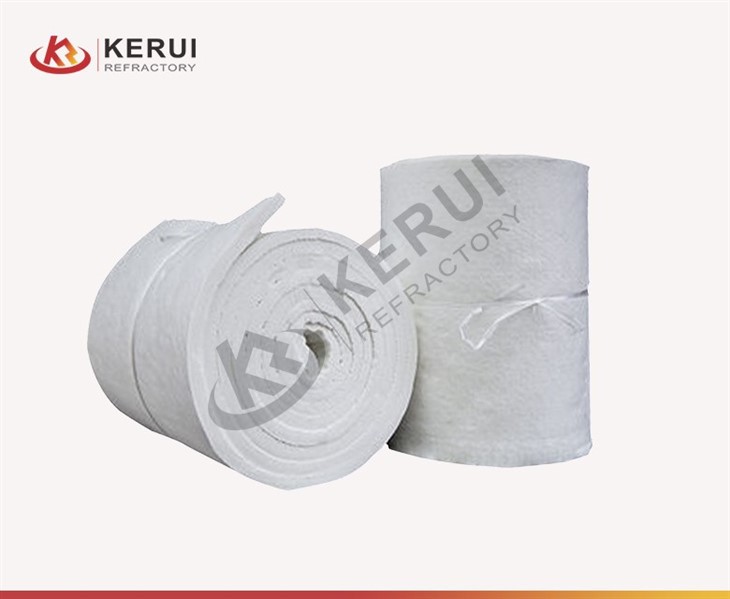
In addition to ceramic fiber tubes, we also offer High Temperature Ceramic Fiberboard and Refractory Ceramic Fiber Blanket. These products have similar properties to ceramic fiber tubes and can be used in combination with them to provide comprehensive thermal insulation solutions.
Contact Us for Procurement
If you are interested in our ceramic fiber tubes or other related products, we welcome you to contact us for procurement and further discussions. Our team of experts is ready to assist you in selecting the most appropriate products for your specific needs. We can provide detailed technical information, product samples, and competitive pricing. Whether you are in the industrial, commercial, or research sector, we are committed to providing high-quality products and excellent customer service.
References
- "Ceramic Materials Science and Engineering" by J. Reed
- "Handbook of Thermal Insulation" by R. Zarrilli
- Industry reports on ceramic fiber applications in different gas environments


