

Hey there! As a supplier of Alumina Bricks, I often get asked about the thermal conductivity of these amazing products. So, let's dive right in and break it down.
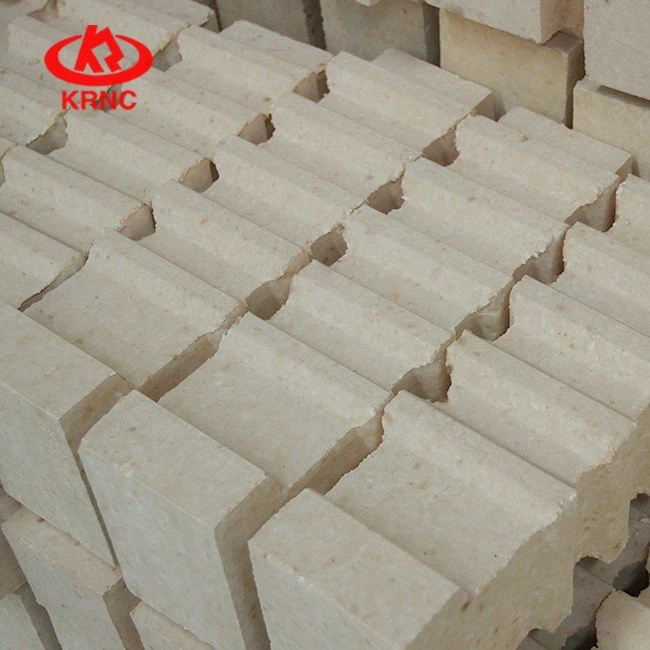
First off, what exactly are alumina bricks? Alumina bricks are refractory materials made mainly from alumina. They're super useful in industries where high temperatures are the norm, like steelmaking, glass manufacturing, and even in some high - tech furnace applications. There are different types of alumina bricks available on our website, such as High Alumina Refractory Bricks, Refractory Anchoring Bricks, and Andalusite Brick. Each type has its own unique properties, but today we're focusing on thermal conductivity.
Thermal conductivity is basically a measure of how well a material can conduct heat. In simple terms, it tells us how fast heat can pass through the alumina bricks. A high thermal conductivity means heat can move through the brick quickly, while a low thermal conductivity means the brick is a good insulator and resists the flow of heat.
The thermal conductivity of alumina bricks depends on several factors. One of the most important factors is the alumina content. Generally, as the alumina content in the bricks increases, the thermal conductivity also goes up. High - alumina bricks, which can have an alumina content of 70% or more, tend to conduct heat better than bricks with lower alumina percentages. This is because alumina itself is a relatively good conductor of heat compared to some other materials used in brick - making.

Another factor is the porosity of the bricks. Porous bricks have lots of tiny holes or pores in them. These pores act as barriers to heat flow. So, bricks with high porosity usually have lower thermal conductivity. Manufacturers can control the porosity during the production process. For example, by using different raw materials or adjusting the firing temperature, they can make bricks with different levels of porosity to suit different applications.
The temperature also plays a big role in the thermal conductivity of alumina bricks. As the temperature rises, the thermal conductivity of alumina bricks usually increases. At low temperatures, the heat transfer mechanism in the bricks is mainly through lattice vibrations. But as the temperature gets higher, other heat - transfer mechanisms, like radiation, start to become more significant. This can cause the overall thermal conductivity to go up.
Let's talk about some real - world applications and how the thermal conductivity of alumina bricks matters. In a steel - making furnace, for instance, you want bricks with high thermal conductivity on the inside. These bricks can quickly transfer the heat from the hot molten steel to the outer layers of the furnace lining. This helps in maintaining a consistent temperature inside the furnace and improves the efficiency of the steel - making process.
On the other hand, in an insulation application, like in the walls of a building's heating system, you'd want alumina bricks with low thermal conductivity. These bricks would prevent the heat from escaping outside, saving energy and keeping the building warm.
When choosing alumina bricks for a particular application, it's crucial to understand the required thermal conductivity. If you need a brick to quickly transfer heat, you should look for high - alumina, low - porosity bricks. But if insulation is your goal, then low - alumina, high - porosity bricks might be the way to go.
At our company, we offer a wide range of alumina bricks with different thermal conductivities to meet the diverse needs of our customers. Whether you're in the steel industry, glass manufacturing, or any other field that requires high - performance refractory materials, we've got you covered.
We have a team of experts who can help you select the right alumina bricks based on your specific requirements. They can analyze your application, consider factors like the operating temperature, heat - transfer requirements, and budget, and then recommend the most suitable bricks.
If you're interested in learning more about our alumina bricks or need to make a purchase, don't hesitate to get in touch. We're always happy to have a chat and discuss how our products can benefit your business. Whether you have a small project or a large - scale industrial operation, we're committed to providing you with the best quality alumina bricks at competitive prices.
So, if you're looking for reliable alumina bricks with the right thermal conductivity for your application, reach out to us. We're here to assist you every step of the way, from product selection to after - sales support. Let's work together to find the perfect solution for your heat - management needs.
In conclusion, understanding the thermal conductivity of alumina bricks is essential for making the right choice for your industrial or commercial applications. By considering factors like alumina content, porosity, and temperature, you can select bricks that will perform optimally in your specific situation. And as a trusted supplier of alumina bricks, we're here to provide you with all the information and products you need. So, get in touch with us today to start discussing your requirements.
References:
- "Refractory Materials Handbook" - A comprehensive guide on the properties and applications of refractory materials, including alumina bricks.
- Industry research papers on the thermal properties of ceramics and refractory materials.


