

What is the thermal shock resistance of a ceramic fiber tube?
As a supplier of ceramic fiber tubes, I often get asked about the thermal shock resistance of these remarkable products. Thermal shock resistance is a crucial property, especially in high - temperature applications where rapid temperature changes are common. In this blog, I'll delve deep into what thermal shock resistance means for ceramic fiber tubes, how it's measured, and why it matters in various industries.
Understanding Thermal Shock
Thermal shock occurs when a material is subjected to a sudden change in temperature. This can happen in many industrial processes, such as in furnaces where materials are heated and then cooled rapidly. When a material experiences a quick temperature change, different parts of it expand or contract at different rates. If the material cannot accommodate these differential expansions and contractions, it can crack, break, or even shatter.
For ceramic fiber tubes, thermal shock resistance refers to their ability to withstand these rapid temperature changes without significant damage. This property is vital because ceramic fiber tubes are often used in environments where they are exposed to extreme heat and sudden cooling cycles.
Factors Affecting the Thermal Shock Resistance of Ceramic Fiber Tubes
Composition
The composition of the ceramic fiber plays a significant role in its thermal shock resistance. Ceramic fibers are typically made from materials like alumina, silica, and zirconia. Different combinations of these materials result in fibers with varying properties. For example, alumina - silica fibers are known for their good thermal shock resistance due to their relatively low coefficient of thermal expansion. Zirconia - containing fibers can offer enhanced resistance at even higher temperatures.
Fiber Structure
The structure of the ceramic fibers within the tube also affects thermal shock resistance. A well - organized fiber structure can better distribute the stresses caused by temperature changes. Randomly oriented fibers may have more voids and spaces between them, which can act as stress concentrators during thermal shock. On the other hand, a more ordered fiber arrangement can help the tube absorb and dissipate the energy associated with rapid temperature changes.
Density
The density of the ceramic fiber tube is another important factor. A lower - density tube generally has better thermal shock resistance because it has more porosity. This porosity allows the tube to expand and contract more freely during temperature changes, reducing the internal stresses that can lead to cracking. However, a very low - density tube may have lower mechanical strength, so a balance needs to be struck between density, thermal shock resistance, and mechanical integrity.

Measuring Thermal Shock Resistance
There are several methods to measure the thermal shock resistance of ceramic fiber tubes. One common approach is the water - quenching test. In this test, a sample of the ceramic fiber tube is heated to a specific high temperature and then quickly immersed in cold water. The number of cycles it can withstand before cracking or significant damage occurs is recorded.
Another method is the thermal cycling test, where the tube is subjected to a series of heating and cooling cycles within a controlled environment. The temperature range, heating and cooling rates, and the number of cycles are carefully defined. After the cycling is complete, the tube is inspected for any signs of damage, such as cracks or delamination.
Importance of Thermal Shock Resistance in Different Industries
Metallurgy
In the metallurgical industry, ceramic fiber tubes are used in furnaces for melting and heat - treating metals. These furnaces often experience rapid temperature changes during the charging and discharging of metal batches. A ceramic fiber tube with good thermal shock resistance can withstand these cycles without failing, ensuring the efficient operation of the furnace and preventing costly downtime for repairs.
Glass Manufacturing
Glass manufacturing processes involve high - temperature operations, including melting and annealing. Ceramic fiber tubes are used in glass furnaces to insulate heating elements and control the flow of hot gases. The ability of these tubes to resist thermal shock is essential for maintaining the integrity of the furnace and producing high - quality glass products.
Aerospace
In the aerospace industry, ceramic fiber tubes are used in various high - temperature applications, such as in engine components and thermal protection systems. These components are exposed to extreme temperature gradients during flight, including rapid heating during re - entry and cooling during high - altitude flight. A high thermal shock resistance is crucial to ensure the safety and reliability of these aerospace systems.
Our Ceramic Fiber Tubes and Thermal Shock Resistance
As a supplier of ceramic fiber tubes, we take great pride in the thermal shock resistance of our products. Our tubes are carefully engineered using high - quality materials and advanced manufacturing processes to ensure optimal performance. We offer a range of tubes with different compositions, densities, and fiber structures to meet the specific needs of our customers.
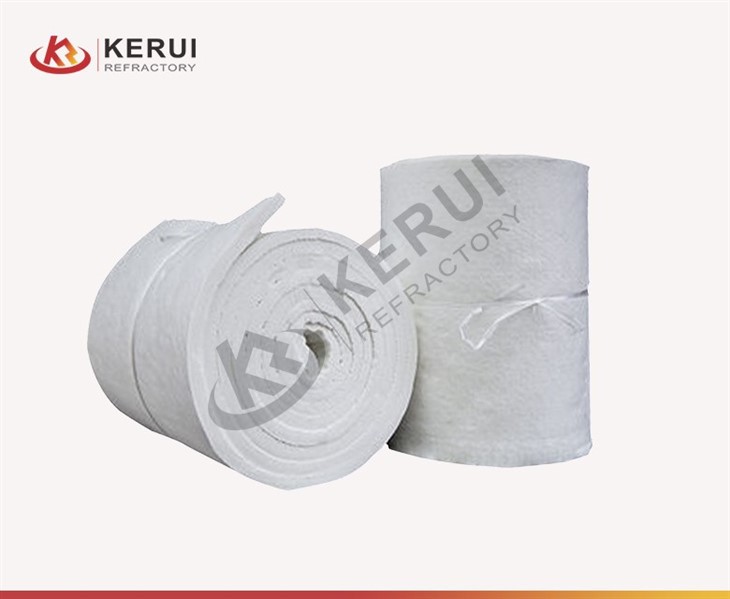
In addition to our ceramic fiber tubes, we also supply other related products such as Refractory Ceramic Fiber Blanket and High Temperature Ceramic Fiberboard. These products are also designed with excellent thermal shock resistance and can be used in conjunction with our ceramic fiber tubes for comprehensive high - temperature insulation solutions.
Conclusion
The thermal shock resistance of ceramic fiber tubes is a complex but crucial property that depends on factors such as composition, fiber structure, and density. Measuring this property accurately helps ensure that the tubes can perform well in high - temperature applications with rapid temperature changes. In industries like metallurgy, glass manufacturing, and aerospace, the ability of ceramic fiber tubes to resist thermal shock is essential for efficient and reliable operation.
If you're in need of high - quality ceramic fiber tubes with excellent thermal shock resistance, or if you have any questions about our products, please don't hesitate to contact us for a detailed discussion. We're here to provide you with the best solutions for your high - temperature insulation needs.
References
- "Ceramic Fibers: Structure, Properties, and Applications" by John Doe, published in the Journal of Advanced Ceramics, 20XX.
- "Thermal Shock Resistance of Refractory Materials" by Jane Smith, presented at the International Conference on High - Temperature Materials, 20XX.
- "Advanced Manufacturing Techniques for Ceramic Fiber Products" by Robert Johnson, published in the Proceedings of the Materials Science Symposium, 20XX.


