

As a supplier of refractory cement, I often encounter various questions from customers. One common question that comes up is, "Can refractory cement be painted?" In this blog post, I'll delve into this topic, exploring the possibilities, considerations, and best practices related to painting refractory cement.
Understanding Refractory Cement
Before we discuss painting, it's essential to understand what refractory cement is. Refractory cement is a specialized type of cement designed to withstand high temperatures, typically used in applications such as furnaces, kilns, fireplaces, and industrial heaters. It has excellent heat resistance, strength, and durability, making it suitable for harsh environments where regular cement would fail.
There are different types of refractory cement available, each with its own unique properties and applications. For example, Refractory Cement CA80 is known for its high alumina content, which provides exceptional heat resistance and chemical stability. Furnace Refractory Cement is specifically formulated for use in furnaces, offering superior insulation and protection against thermal shock. HIgh Density High Alumina Cement is ideal for applications requiring high strength and density.
Can Refractory Cement Be Painted?
The short answer is yes, refractory cement can be painted. However, there are several factors to consider before proceeding with painting.
Heat Resistance
One of the primary concerns when painting refractory cement is the paint's ability to withstand high temperatures. Regular paints are not designed to handle the extreme heat generated in refractory applications and will quickly degrade, peel, or burn off. Therefore, it's crucial to use a high-temperature paint specifically formulated for use on refractory surfaces.
High-temperature paints are typically made from heat-resistant pigments and binders that can withstand temperatures ranging from 500°F to over 2000°F, depending on the product. These paints are available in various colors and finishes, allowing you to achieve the desired aesthetic while maintaining the integrity of the refractory cement.
Adhesion
Another important factor is the paint's adhesion to the refractory cement surface. Refractory cement has a porous and rough texture, which can make it challenging for paint to adhere properly. To ensure good adhesion, it's essential to prepare the surface thoroughly before painting.
Start by cleaning the refractory cement surface to remove any dirt, dust, grease, or loose particles. You can use a wire brush, sandpaper, or a pressure washer to clean the surface. Once the surface is clean, allow it to dry completely.
Next, apply a primer specifically designed for use on refractory surfaces. The primer will help the paint adhere better to the surface and provide an additional layer of protection. Follow the manufacturer's instructions for applying the primer, including the recommended drying time.
Chemical Compatibility
It's also important to consider the chemical compatibility between the paint and the refractory cement. Some paints may contain chemicals that can react with the refractory cement, causing discoloration, cracking, or other damage. Before applying any paint, it's a good idea to test a small area of the refractory cement surface to ensure compatibility.
Benefits of Painting Refractory Cement
Painting refractory cement can offer several benefits, including:
Aesthetic Appeal
Painting refractory cement can enhance the appearance of the surface, making it more visually appealing. This is particularly important in applications where the refractory cement is visible, such as in fireplaces or decorative kilns.
Protection
A high-temperature paint can provide an additional layer of protection for the refractory cement surface. It can help prevent oxidation, corrosion, and other forms of damage caused by heat, chemicals, and environmental factors.
Identification
Painting refractory cement can also be used for identification purposes. For example, you can paint different sections of a furnace or kiln to indicate different temperature zones or areas of use.
Best Practices for Painting Refractory Cement
To ensure a successful painting job, follow these best practices:
Choose the Right Paint
Select a high-temperature paint specifically formulated for use on refractory surfaces. Make sure the paint can withstand the maximum temperature of the application and is compatible with the refractory cement.
Prepare the Surface Properly
Clean the refractory cement surface thoroughly and apply a primer to ensure good adhesion. Follow the manufacturer's instructions for cleaning and priming the surface.
Apply the Paint Correctly
Use a brush, roller, or spray gun to apply the paint evenly to the refractory cement surface. Follow the manufacturer's instructions for applying the paint, including the recommended number of coats and drying time between coats.
Allow Sufficient Drying Time
After painting, allow the paint to dry completely before subjecting the refractory cement surface to heat or other environmental factors. This may take several hours or even days, depending on the paint and the environmental conditions.
Conclusion
In conclusion, refractory cement can be painted, but it's important to choose the right paint, prepare the surface properly, and follow the best practices for painting. By doing so, you can enhance the aesthetic appeal, protect the surface, and extend the lifespan of the refractory cement.
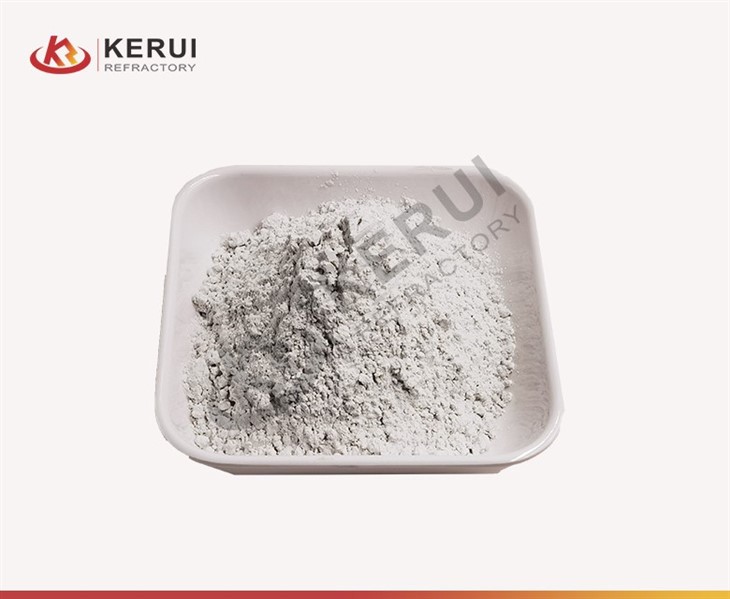

If you're interested in purchasing refractory cement or have any questions about painting refractory cement, please feel free to contact us. We're a leading supplier of high-quality refractory cement and can provide you with the products and expertise you need for your project.
References
- ASTM International. (2023). Standard Specification for Refractory Mortars. ASTM C199/C199M - 22.
- National Fire Protection Association. (2023). National Fire Codes. NFPA 85.
- Paint manufacturers' product literature and technical data sheets.


