

Refractory cement is a specialized material known for its ability to withstand high temperatures, making it a crucial component in various industrial applications. One such application that often comes into question is its use in antimony - melting furnaces. As a supplier of refractory cement, I have encountered numerous inquiries regarding the suitability of our products for this specific purpose. In this blog post, I will delve into the scientific aspects of using refractory cement in antimony - melting furnaces, explore the types of refractory cement that could be appropriate, and guide you on making the right choice.

Understanding Antimony - Melting Furnaces
Antimony is a chemical element that is commonly used in various industries, including the production of flame retardants, batteries, and alloys. Melting antimony requires a furnace that can reach and maintain high temperatures, typically around 630.63 °C (1167.13 °F), the melting point of antimony. These furnaces are subject to extreme thermal stress, chemical corrosion from the molten antimony and any impurities present, and mechanical wear due to the movement of the molten metal.
Properties Required for Refractory Cement in Antimony - Melting Furnaces
For refractory cement to be used effectively in antimony - melting furnaces, it must possess several key properties:
- High Temperature Resistance: The cement should be able to withstand the high temperatures generated during the melting process without significant degradation. A good refractory cement should have a high melting point and excellent thermal stability.
- Chemical Resistance: Molten antimony can react with certain materials, causing corrosion and erosion of the furnace lining. The refractory cement must be chemically inert to molten antimony and any other substances present in the furnace environment.
- Mechanical Strength: The cement should have sufficient mechanical strength to withstand the mechanical forces exerted by the molten metal, such as stirring and pouring. It should also be able to resist cracking and spalling under thermal cycling.
Types of Refractory Cement Suitable for Antimony - Melting Furnaces
As a refractory cement supplier, we offer a range of products that could potentially be used in antimony - melting furnaces. Here are two types that stand out:
-
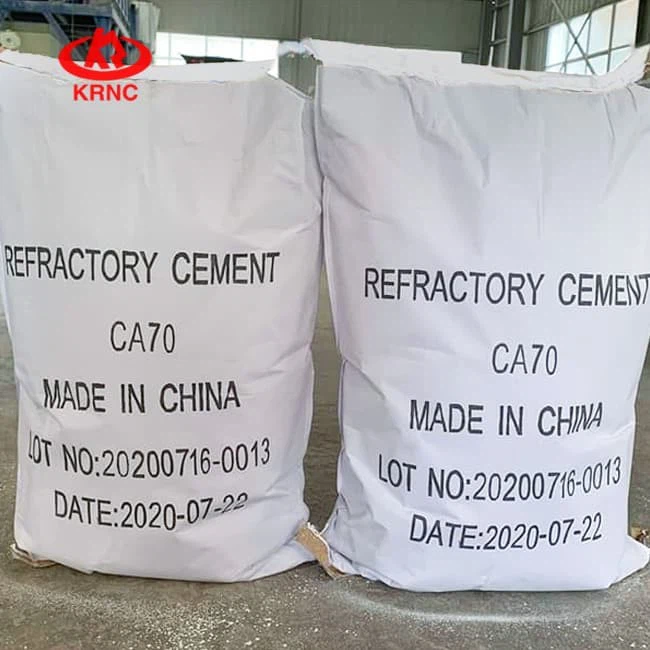
70% High Alumina Refractory Cement: This type of cement contains a high percentage of alumina (Al₂O₃), which gives it excellent high - temperature resistance and chemical stability. Alumina has a high melting point and is relatively inert to many chemicals, including molten antimony. The 70% high alumina refractory cement can withstand temperatures up to 1700 °C (3092 °F), making it suitable for the high - temperature environment of antimony - melting furnaces. You can learn more about our 70% High Alumina Refractory Cement.
-
High Density High Alumina Cement: High density high alumina cement has a dense structure, which provides better mechanical strength and resistance to abrasion. The high density also reduces the porosity of the cement, making it less susceptible to chemical attack by molten antimony. This type of cement is ideal for applications where the furnace lining is exposed to mechanical wear and high - temperature corrosion. Check out our HIgh Density High Alumina Cement.
Advantages of Using Our Refractory Cement in Antimony - Melting Furnaces
When you choose our refractory cement for your antimony - melting furnaces, you can expect several benefits:
- Longer Service Life: Our high - quality refractory cements are designed to withstand the harsh conditions of antimony - melting furnaces, resulting in a longer service life for the furnace lining. This reduces the frequency of furnace repairs and replacements, saving you time and money in the long run.
- Improved Efficiency: The excellent thermal insulation properties of our refractory cements help to reduce heat loss from the furnace, improving energy efficiency and reducing operating costs.
- Reliable Performance: We have a strict quality control system in place to ensure that our refractory cements meet the highest standards of quality and performance. You can rely on our products to provide consistent and reliable performance in your antimony - melting furnaces.
Installation and Maintenance Tips
Proper installation and maintenance are crucial for the effective use of refractory cement in antimony - melting furnaces. Here are some tips:
- Installation: Follow the manufacturer's instructions carefully during the installation process. Ensure that the surface to which the cement is applied is clean, dry, and free of any contaminants. Use the correct mixing ratio and application method to ensure a strong and durable bond.
- Curing: Allow the refractory cement to cure properly before using the furnace. Curing helps to develop the strength and durability of the cement. Follow the recommended curing time and conditions to achieve the best results.
- Maintenance: Regularly inspect the furnace lining for any signs of damage or wear. Repair any cracks or spalling promptly to prevent further damage. Clean the furnace lining periodically to remove any deposits that may affect its performance.
Conclusion
In conclusion, refractory cement can be used effectively in antimony - melting furnaces, provided that it has the appropriate properties. Our 70% High Alumina Refractory Cement and HIgh Density High Alumina Cement are excellent choices for this application, offering high - temperature resistance, chemical stability, and mechanical strength.
If you are in the market for refractory cement for your antimony - melting furnaces, we invite you to explore our Fire Cement For Sale. Our team of experts is ready to assist you in choosing the right product for your specific needs. Contact us today to start a discussion about your requirements and let us help you find the best refractory cement solution for your antimony - melting furnaces.
References
- "Refractories Handbook" by the American Ceramic Society
- International Journal of Refractory Metals & Hard Materials, various issues on high - temperature materials and their applications in metallurgical furnaces.


