

Can refractory cement be used for bismuth - melting furnaces?
As a supplier of refractory cement, I often encounter various inquiries from customers about the suitability of our products for different industrial applications. One question that has come up frequently is whether refractory cement can be used for bismuth - melting furnaces. In this blog post, I will delve into this topic, exploring the properties of refractory cement, the requirements of bismuth - melting furnaces, and whether the two are a good match.
Understanding Refractory Cement
Refractory cement is a specialized type of cement designed to withstand high temperatures without losing its structural integrity. It is typically made from a combination of alumina, silica, and other refractory materials, which give it the ability to resist thermal shock, abrasion, and chemical attack. There are several types of refractory cement available on the market, each with its own unique properties and applications.
One of the popular types is HIgh Density High Alumina Cement. This cement has a high alumina content, which provides excellent thermal stability and resistance to corrosion. It is often used in applications where high temperatures and harsh chemical environments are present, such as in steelmaking, glass manufacturing, and ceramic production.
Another type is Refractory Cement CA80. This cement is known for its high calcium aluminate content, which gives it fast - setting properties and high early strength. It is suitable for applications that require quick repairs or where a rapid return to service is needed.
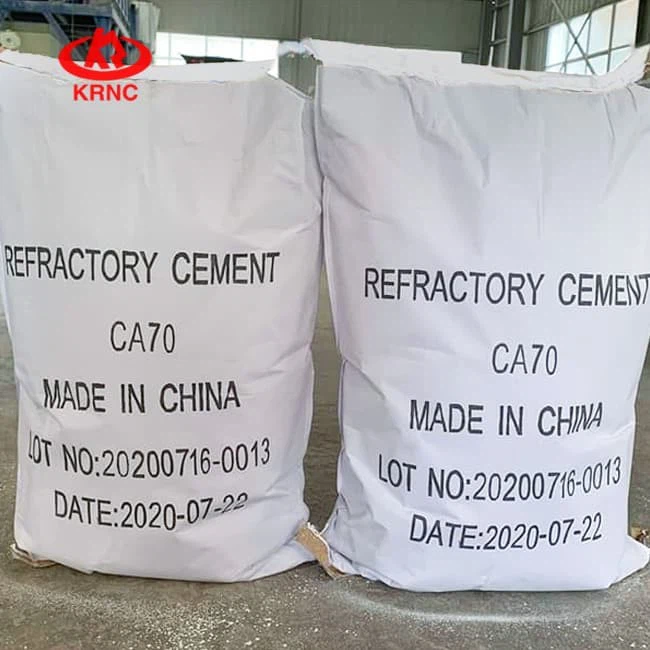
70% High Alumina Refractory Cement is also a common choice. With a 70% alumina content, it offers a good balance between thermal resistance and cost - effectiveness. It can be used in a wide range of high - temperature applications, including kilns, furnaces, and incinerators.

Requirements of Bismuth - Melting Furnaces
Bismuth is a relatively low - melting - point metal, with a melting point of about 271.4 °C (520.5 °F). However, bismuth - melting furnaces still need to operate at temperatures well above this point to ensure efficient melting and proper handling of the molten metal. Additionally, these furnaces are subject to various mechanical and thermal stresses during operation.
Thermal resistance is a crucial requirement. The furnace lining must be able to withstand the high temperatures generated during the melting process without deforming or cracking. This is to prevent heat loss and ensure the safety of the operation.
Chemical resistance is also important. Bismuth can react with certain substances at high temperatures, and the furnace lining should be able to resist such chemical reactions to maintain its integrity over time.
Mechanical strength is necessary to withstand the mechanical forces exerted during the charging and discharging of bismuth, as well as any vibrations or impacts that may occur during furnace operation.
Suitability of Refractory Cement for Bismuth - Melting Furnaces
Refractory cement can be a suitable option for bismuth - melting furnaces, but several factors need to be considered.
Thermal Resistance
Most refractory cements are capable of withstanding temperatures well above the melting point of bismuth. For example, high - alumina refractory cements can withstand temperatures up to 1700 °C (3092 °F) or even higher, depending on the specific formulation. This means that they can easily handle the temperatures required for bismuth melting. However, it is important to choose a cement with the appropriate thermal conductivity. A cement with too high a thermal conductivity may lead to excessive heat loss, while one with too low a conductivity may cause uneven heating within the furnace.
Chemical Resistance
Bismuth is a relatively inert metal, but it can react with oxygen and certain other elements at high temperatures. Refractory cements with good chemical resistance can prevent these reactions from occurring at the furnace lining. High - alumina and calcium aluminate cements generally have good resistance to oxidation and chemical attack, making them suitable for use in bismuth - melting furnaces.
Mechanical Strength
The mechanical strength of the refractory cement is essential for the longevity of the furnace lining. During the charging and discharging of bismuth, the lining may be subjected to abrasion and impact. A high - strength refractory cement can resist these mechanical forces and prevent the formation of cracks or spalling. Refractory Cement CA80, with its high early strength, can be particularly useful in applications where rapid construction or repair is needed, as it can quickly develop the strength required to withstand mechanical stresses.
Installation and Maintenance Considerations
When using refractory cement for bismuth - melting furnaces, proper installation is crucial. The surface to which the cement is applied must be clean, dry, and free of any contaminants. The cement should be mixed according to the manufacturer's instructions to ensure the correct consistency and performance.
During installation, it is important to follow the recommended application techniques, such as troweling or gunning, depending on the type of cement and the specific requirements of the furnace. Adequate curing time should be allowed for the cement to develop its full strength and properties.
Regular maintenance is also necessary to ensure the continued performance of the refractory lining. This may include inspecting the lining for cracks or damage, and making repairs as needed. If any signs of deterioration are detected, the affected area should be repaired promptly to prevent further damage and ensure the safety and efficiency of the furnace.
Conclusion
In conclusion, refractory cement can be a viable option for bismuth - melting furnaces. With its excellent thermal resistance, chemical resistance, and mechanical strength, it can meet the requirements of these furnaces. However, careful consideration must be given to the specific type of refractory cement, installation procedures, and maintenance practices.
If you are in the market for refractory cement for your bismuth - melting furnace or any other high - temperature application, I encourage you to contact us for more information. Our team of experts can help you select the most suitable refractory cement for your needs and provide guidance on installation and maintenance. Let's work together to ensure the optimal performance of your industrial furnaces.
References
- "Refractory Materials Handbook" - A comprehensive guide on the properties and applications of refractory materials.
- Industry standards and specifications related to refractory cement and furnace linings.


