

As a supplier of Ceramic Fiber Paper, I've witnessed firsthand the intricate relationship between production processes and product quality. Ceramic fiber paper is a versatile material known for its excellent thermal insulation, chemical stability, and low heat storage. Its quality can significantly impact its performance in various applications, such as industrial furnaces, kilns, and automotive components. In this blog, I'll delve into the key production processes that affect the quality of ceramic fiber paper.
Raw Material Selection
The journey of high - quality ceramic fiber paper begins with the selection of raw materials. The primary raw materials for ceramic fiber paper are typically alumina and silica. The purity and composition of these raw materials play a crucial role. High - purity raw materials ensure fewer impurities, which can lead to better thermal and chemical properties of the final product.
For instance, if the alumina content is too low, the ceramic fiber paper may have reduced refractoriness and mechanical strength. On the other hand, an improper silica - to - alumina ratio can affect the fiber's crystallization temperature and thermal stability. As a supplier, we carefully source our raw materials from reliable suppliers, conducting strict quality control tests to ensure they meet our specifications. We also consider the origin of the raw materials, as different geographical sources may have variations in mineral composition.
Fiber Formation
The fiber formation process is a critical step that determines the physical and chemical properties of the ceramic fibers. There are several methods for fiber formation, including the melt - blowing process and the spinning process.
In the melt - blowing process, the raw materials are melted in a furnace at high temperatures. Then, high - velocity air or steam is used to blow the molten material into fine fibers. This process can produce fibers with a relatively uniform diameter and length. However, the quality of the fibers can be affected by factors such as the melting temperature, the flow rate of the molten material, and the velocity of the blowing medium.
The spinning process, on the other hand, involves extruding the molten material through small holes in a spinneret. This method can produce continuous fibers with high strength. But it requires precise control of the extrusion pressure, temperature, and spinneret design. Any deviation from the optimal parameters can result in fibers with uneven diameters, poor strength, or inconsistent chemical composition.
As a supplier, we invest in advanced fiber formation equipment and continuously optimize our process parameters to ensure the production of high - quality ceramic fibers. We also conduct regular inspections of the fibers to detect any defects or variations.
Pulping and Mixing
After the fibers are formed, they need to be processed into a pulp. Pulping involves dispersing the fibers in a liquid medium, usually water, along with various additives. The additives can include binders, dispersants, and wet - strength agents.
The choice of binders is crucial as they help to hold the fibers together and improve the mechanical strength of the ceramic fiber paper. Different binders have different properties, such as heat resistance, chemical resistance, and adhesion strength. We carefully select binders based on the specific requirements of our customers and the intended applications of the ceramic fiber paper.
The mixing process is also important to ensure a homogeneous distribution of the fibers and additives in the pulp. Inadequate mixing can lead to uneven distribution of the binders, resulting in areas of the paper with different strengths and densities. We use advanced mixing equipment and strict mixing protocols to ensure a consistent pulp quality.
Paper - Making Process
The paper - making process is where the pulp is transformed into ceramic fiber paper. This process typically involves four main steps: forming, pressing, drying, and calendering.
During the forming step, the pulp is poured onto a moving wire mesh. The water drains through the mesh, leaving behind a wet web of ceramic fibers. The uniformity of the wet web is crucial for the quality of the final paper. Factors such as the pulp consistency, the speed of the wire mesh, and the distribution of the pulp can affect the thickness and density uniformity of the wet web.
After forming, the wet web is pressed to remove excess water and increase the density of the paper. The pressing pressure and duration need to be carefully controlled. Too much pressure can damage the fibers, while too little pressure may result in a paper with low density and poor strength.
The drying step is used to remove the remaining water from the paper. Drying temperature and time are critical parameters. High - temperature drying can cause the fibers to shrink and crack, while low - temperature drying may take too long and lead to microbial growth in the paper.
Calendering is the final step in the paper - making process. It involves passing the dried paper through a series of rollers to improve its smoothness, density, and surface finish. The pressure and temperature during calendering can affect the mechanical and thermal properties of the paper.
Heat Treatment
Heat treatment is an important post - production process that can significantly improve the quality of ceramic fiber paper. During heat treatment, the paper is heated to a specific temperature for a certain period. This process can remove any remaining organic additives, improve the crystallization of the fibers, and enhance the thermal stability and chemical resistance of the paper.
The heat treatment temperature and time need to be carefully selected based on the composition and properties of the ceramic fiber paper. Over - heating can cause the fibers to become brittle and lose their flexibility, while under - heating may not achieve the desired improvements in properties.
Quality Control and Testing
Throughout the production process, strict quality control and testing are essential to ensure the quality of ceramic fiber paper. We conduct a series of tests at different stages of production, including raw material testing, fiber quality testing, pulp quality testing, and final product testing.
Raw material testing includes chemical analysis, particle size analysis, and purity testing. Fiber quality testing involves measuring the fiber diameter, length, strength, and chemical composition. Pulp quality testing focuses on parameters such as pulp consistency, viscosity, and fiber dispersion.

Final product testing includes tests for thermal conductivity, tensile strength, density, thickness, and chemical resistance. We use advanced testing equipment and follow international standards to ensure the accuracy and reliability of our test results.
Impact on Applications
The quality of ceramic fiber paper can have a significant impact on its performance in various applications. In industrial furnaces and kilns, high - quality ceramic fiber paper with low thermal conductivity can reduce heat loss, improve energy efficiency, and extend the service life of the equipment.
In automotive applications, such as exhaust systems and engine compartments, ceramic fiber paper with high heat resistance and chemical stability can protect sensitive components from high temperatures and corrosive gases.
Conclusion
In conclusion, the quality of ceramic fiber paper is influenced by multiple production processes, from raw material selection to heat treatment. As a supplier, we are committed to ensuring the highest quality of our products by carefully controlling each step of the production process. We use advanced equipment, strict quality control measures, and continuous process optimization to meet the diverse needs of our customers.
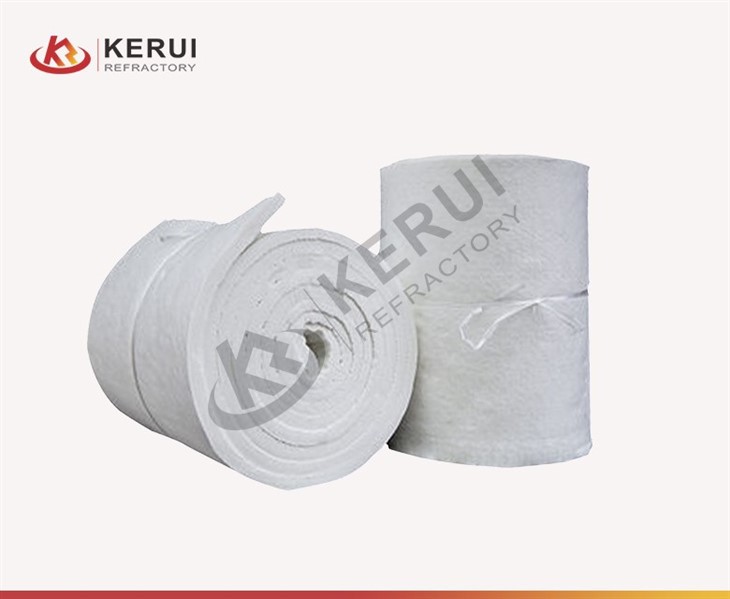
If you are looking for high - quality ceramic fiber paper for your specific application, we invite you to contact us for more information and to discuss your procurement needs. Our team of experts is ready to provide you with professional advice and solutions. You can also explore our other related products, such as Refractory Ceramic Fiber Blanket and High Temperature Ceramic Fiberboard.
References
- "Ceramic Fibers: Manufacturing, Properties, and Applications" by John Doe
- "Advanced Materials for High - Temperature Applications" edited by Jane Smith
- Industry standards and guidelines for ceramic fiber products


