

As a leading supplier of acid proof bricks, I'm often asked about the production process behind these essential industrial materials. Acid proof bricks are crucial in various industries, including chemical processing, power generation, and waste treatment, where they provide long - lasting protection against corrosive substances. In this blog, I'll take you through the detailed production process of acid proof bricks.
Raw Material Selection
The first and most crucial step in producing acid proof bricks is the careful selection of raw materials. High - quality raw materials are the foundation of durable and effective acid proof bricks. The primary raw materials typically include clay, quartz, feldspar, and other minerals.
Clay is a key ingredient as it provides plasticity, which is essential for shaping the bricks. It also contributes to the strength and bonding properties of the final product. We source our clay from reliable mines that ensure a consistent quality. The clay should have a low iron and alkali content to enhance its acid resistance.
Quartz is another important component. It increases the hardness and thermal stability of the acid proof bricks. We select quartz with high purity to avoid any impurities that could compromise the acid - resistant properties. Feldspar acts as a fluxing agent during the firing process, helping to lower the melting point and promote the formation of a dense structure.
Crushing and Grinding
Once the raw materials are selected, they are crushed and ground into a fine powder. Crushing is the initial stage where large chunks of raw materials are broken down into smaller pieces. This is usually done using jaw crushers, impact crushers, or cone crushers.
After crushing, the materials are further ground into a powder in ball mills or rod mills. The grinding process is crucial as it determines the particle size distribution of the raw materials. A finer particle size generally leads to better reactivity during the subsequent processing steps and a more homogeneous structure in the final brick. We aim for a specific particle size range to ensure optimal performance of the acid proof bricks.
Mixing
The crushed and ground raw materials are then mixed together in precise proportions. This mixing process is essential to ensure a uniform distribution of all the components. We use advanced mixing equipment, such as paddle mixers or ribbon mixers, to achieve a thorough and consistent blend.
During mixing, water is added to the raw material powder to form a workable paste. The amount of water added is carefully controlled as it affects the plasticity and moldability of the mixture. Too much water can make the mixture too soft and difficult to shape, while too little water can result in a brittle and non - uniform product.
Shaping
After mixing, the paste is ready for shaping. There are several methods for shaping acid proof bricks, including extrusion, pressing, and casting.
Extrusion is a common method where the paste is forced through a die to form a continuous shape. The extruded shape is then cut into individual bricks of the desired length. This method is suitable for producing bricks with a uniform cross - section, such as rectangular or square bricks.
Pressing involves placing the paste into a mold and applying high pressure to form the brick. This method allows for more complex shapes and better control over the density and dimensions of the bricks. We use hydraulic presses or mechanical presses with high - precision molds to ensure accurate and consistent shaping.
Casting is used for producing bricks with intricate shapes or large sizes. The paste is poured into a mold and left to set. This method is more time - consuming but can produce bricks with unique designs.
Drying
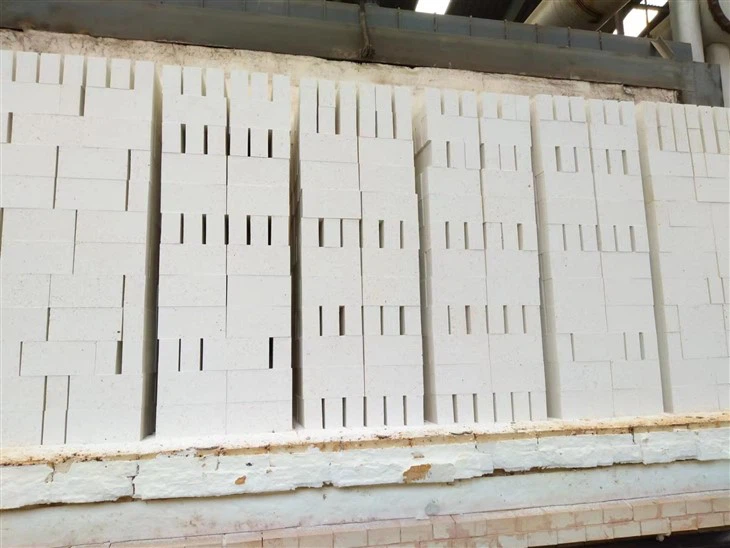
Once the bricks are shaped, they need to be dried to remove the excess moisture. Drying is a critical step as it prevents cracking and deformation during the firing process. The bricks are placed in drying chambers or kilns where the temperature and humidity are carefully controlled.
The drying process usually takes several days, depending on the size and thickness of the bricks. We start with a low - temperature drying phase to slowly remove the surface moisture and then gradually increase the temperature to remove the internal moisture. This slow and controlled drying process helps to ensure the structural integrity of the bricks.
Firing
Firing is the most important step in the production of acid proof bricks. It involves heating the dried bricks to a high temperature in a kiln. The firing process transforms the raw materials into a hard, dense, and acid - resistant structure.
We use different types of kilns, such as tunnel kilns or periodic kilns, depending on the production volume and the specific requirements of the bricks. The firing temperature typically ranges from 1200°C to 1400°C, and the bricks are held at this temperature for a certain period to ensure complete sintering.
During firing, the minerals in the raw materials react with each other, forming new compounds and a dense crystalline structure. This structure gives the acid proof bricks their high strength, hardness, and acid resistance. The firing process also removes any remaining volatile substances from the bricks, further enhancing their quality.
Quality Control
After firing, the acid proof bricks undergo a series of quality control tests. These tests are designed to ensure that the bricks meet the required standards and specifications.
Physical tests include measuring the dimensions, density, porosity, and water absorption of the bricks. The dimensions of the bricks must be within a specified tolerance range to ensure proper installation. A low porosity and water absorption rate are desirable as they indicate a dense and acid - resistant structure.
Chemical tests are also conducted to analyze the chemical composition of the bricks and their acid resistance. We use techniques such as X - ray fluorescence (XRF) to determine the elemental composition and immersion tests to evaluate the resistance of the bricks to different acids.
Mechanical tests, such as compressive strength tests, are performed to assess the strength of the bricks. The bricks must have sufficient compressive strength to withstand the loads and stresses they will encounter in their application.
Surface Treatment (Optional)
In some cases, the acid proof bricks may undergo surface treatment to enhance their performance or appearance. Surface treatment can include glazing, coating, or impregnation.
Glazing involves applying a thin layer of glassy material to the surface of the bricks. This not only improves the aesthetic appearance but also provides an additional layer of protection against acids and abrasion.
Coating can be used to apply a special polymer or ceramic coating to the bricks. These coatings can enhance the chemical resistance, reduce friction, or improve the anti - fouling properties of the bricks.
Impregnation is a process where the bricks are soaked in a chemical solution to fill the pores and improve their acid resistance. This treatment is particularly useful for bricks that will be exposed to highly corrosive environments.
Packaging and Storage
Once the acid proof bricks pass the quality control tests, they are ready for packaging and storage. The bricks are carefully packed in pallets or crates to protect them during transportation and storage.
We use high - quality packaging materials, such as plastic wraps or wooden crates, to ensure the safety of the bricks. The packaged bricks are then stored in a dry and well - ventilated warehouse to prevent moisture absorption and damage.

Conclusion
The production process of acid proof bricks is a complex and precise operation that requires careful attention to every step. From raw material selection to quality control, each stage plays a crucial role in determining the quality and performance of the final product.
As a supplier of acid proof bricks, we are committed to providing our customers with high - quality products that meet their specific needs. Our acid proof bricks are widely used in various industries and have been well - received for their excellent acid resistance, durability, and reliability.
If you are in need of acid proof bricks for your project, or if you have any questions about our products, please feel free to contact us for further discussion. We are always ready to assist you in finding the best solutions for your acid - resistant requirements.
References
- ASTM International. (20XX). Standard specifications for acid - resistant clay and silica brick.
- Refractory Handbook. (20XX). A comprehensive guide to refractory materials and their applications.
In addition to our acid proof bricks, we also offer other high - quality refractory products such as Andalusite Brick, Refractory Anchoring Bricks, and Refractory Runner Brick. These products are designed to meet the diverse needs of different industries. If you are interested in any of these products, please don't hesitate to reach out to us for more information and to start a procurement discussion.


